On this day in May as I traveled west of Staunton in Augusta County, I happened upon a church with an interesting and historic look. Hebron Presbyterian Church was founded in 1746 and includes the old cemetery adjacent to the church and the newer burial grounds across Hebron Road.
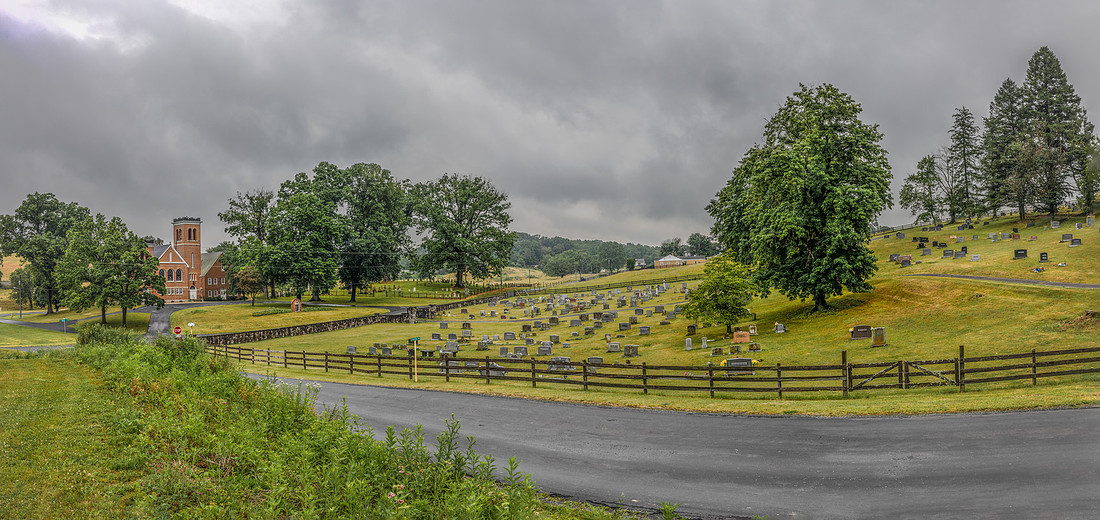 Hebron Presbyterian Church with old cemetery to its right and the new cemetery across the road.
The lady volunteer in the office told me some of the history of the church including that somewhere in the old cemetery were the remains of several revolutionary soldiers. The Civil War left many marks on the Valley of Virginia, but brushes with 1776 are much less common.
Describing the features of the sanctuary, my host mentioned that the church organ had been built in the organ factory across the road, and thus the seed was planted for this story of Taylor and Boody Organ Builders and a church organ they were in the process building.
For George Taylor and John Boody it began with both working for an organ builder in Middletown, Ohio. Boody had been apprenticed to an organ builder in Massachusetts and Taylor had previously received a grant to study with an organ builder in Germany. When their boss decided to move the company to the West Coast, Taylor and Boody decided to stay behind. In Ohio they would build their first organ and construct an addition to a backyard barn large enough to accommodate future projects.
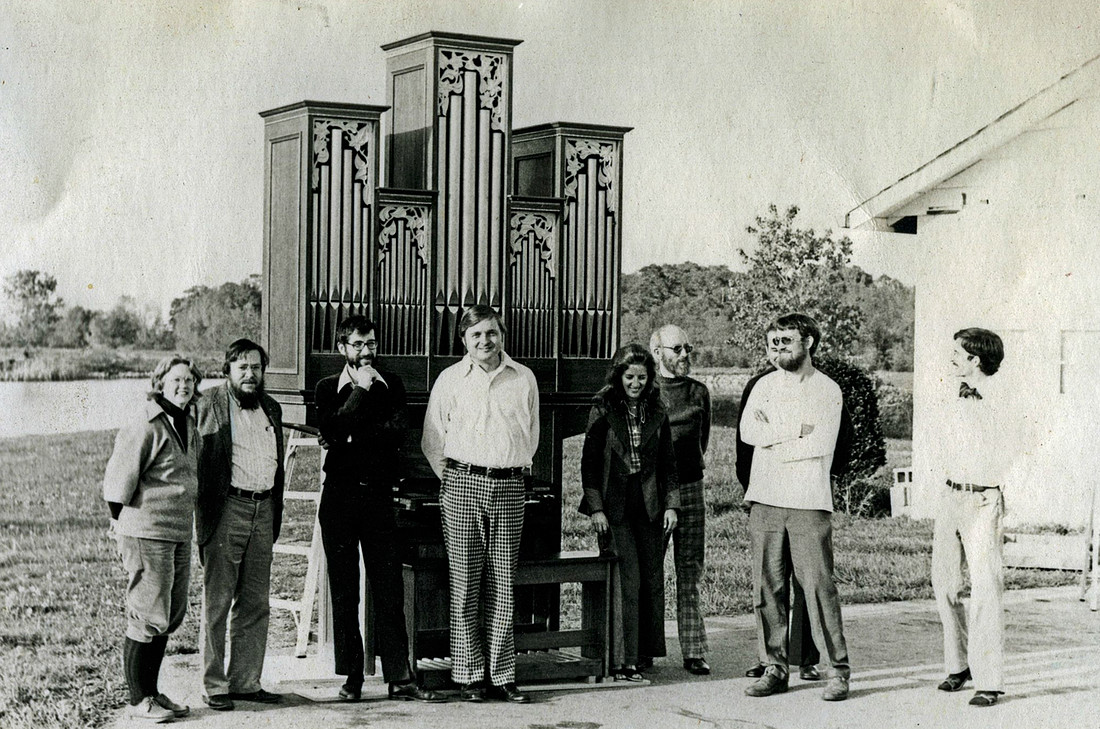
Taylor and Boody in Ohio. Photo used by permission.
While the partnership was destined to last for decades, the Ohio location was not. It took only two years for a move from Ohio to Virginia to come about. Taylor had graduated from Washington and Lee University in Lexington, Virginia, so he was familiar with the Shenandoah Valley. He had discovered an old elementary through high school building long abandoned by the school system in Augusta County, north of Lexington. Used at the time by a contractor for storage, the old school had a large gymnasium with a ceiling high enough to make their work on large organs practical. It would also allow them to work on more than one project at a time.
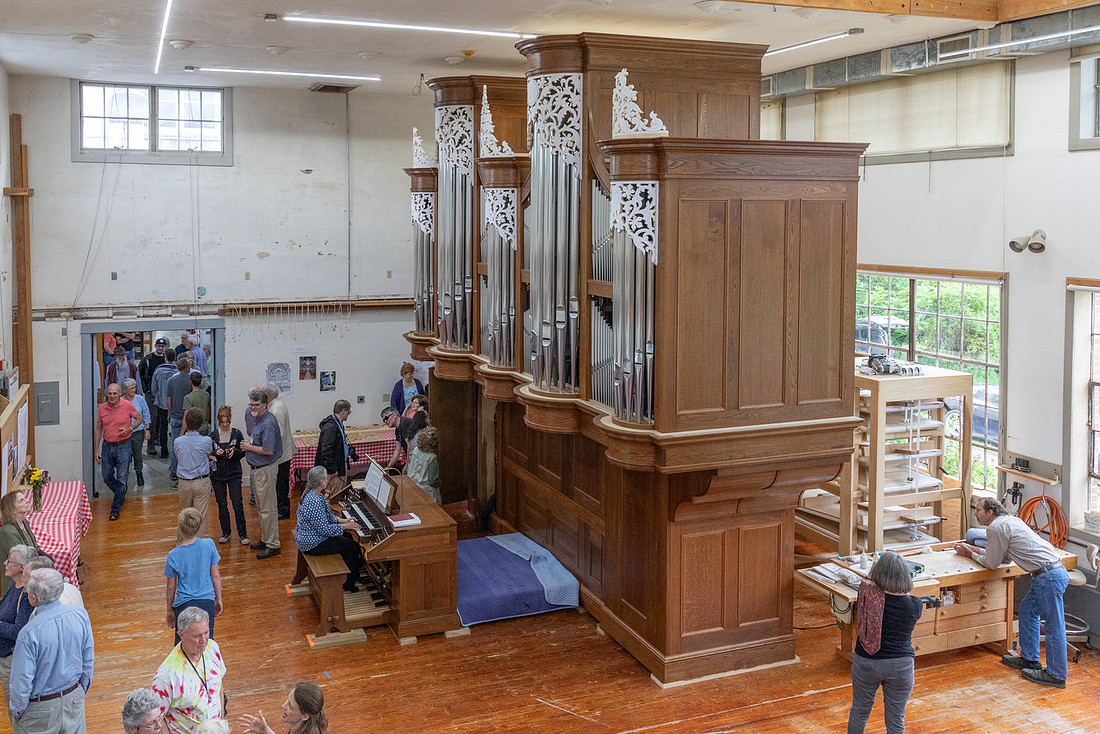
The open house for the mostly finished Opus 85 showing the gym area of the old school large enough to accommodate larger organ commissions. - May 2024
The success of their business brought the instruments they created to places across the USA and to foreign locales like Japan, Hong Kong and England. They named their creations like musical compositions – Opus with an attached number.
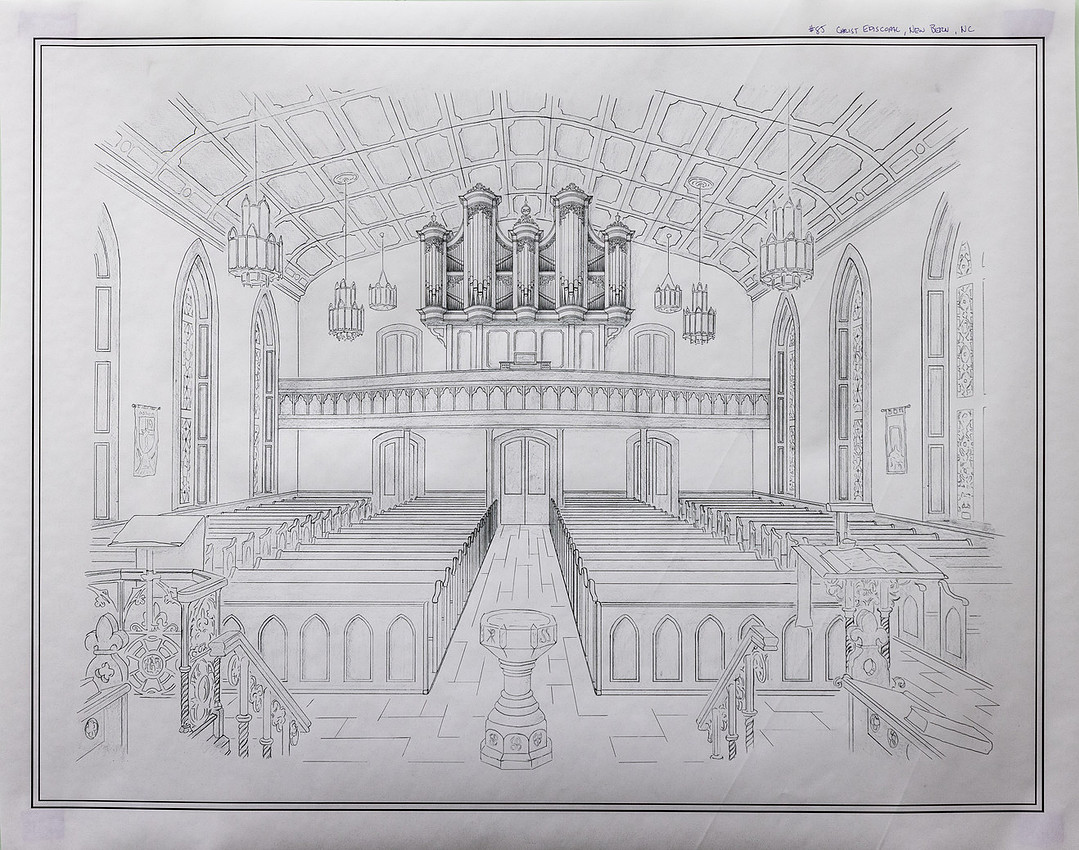
Early drawing of how Opus 85 would look in the balcony of Christ Episcopal Church.
Their largest project when I walked in their doors that May was Opus 85 scheduled for placement at Christ Episcopal Church in New Bern, North Carolina. That was 2023, but the beginnings of Opus 85, began at Christ Church in New Bern much earlier.

Christ Church - July 2024
When Jean Reichenbach joined the congregation of Christ Church in 2000, she brought with her a memory of Taylor and Boody Organ Builders. Jean had been a student at DePauw University in Indiana. There she heard and admired the sound of one of Taylor and Boody’s early organs at the University.
Almost twenty years later Christ Church was confronting repair costs for their old organ, which had been in place since 1968. Its sound and condition prompted calls to replace it rather than repair it. Thus began a series of studies – financial feasibility, could the congregation support the cost… an acoustical study to make sure the sanctuary could support the sound and then engineering to find out if the church balcony could support the weight of the new organ. Opus 85 was a bigger instrument. The old organ had 1,397 pipes and 85 has 1,854.
The church's organ committee asked three companies for bids, and as part of their work visited Taylor and Boody in Virginia. That was late in the year 2018.
Christ Episcopal's members decided to combine several projects: the organ, plus renovations to the floor, ceiling, balcony and the pews of the church. The total price tag was around 1.4 million dollars.
The following images from 2023 and 2024 trace some of the construction steps:
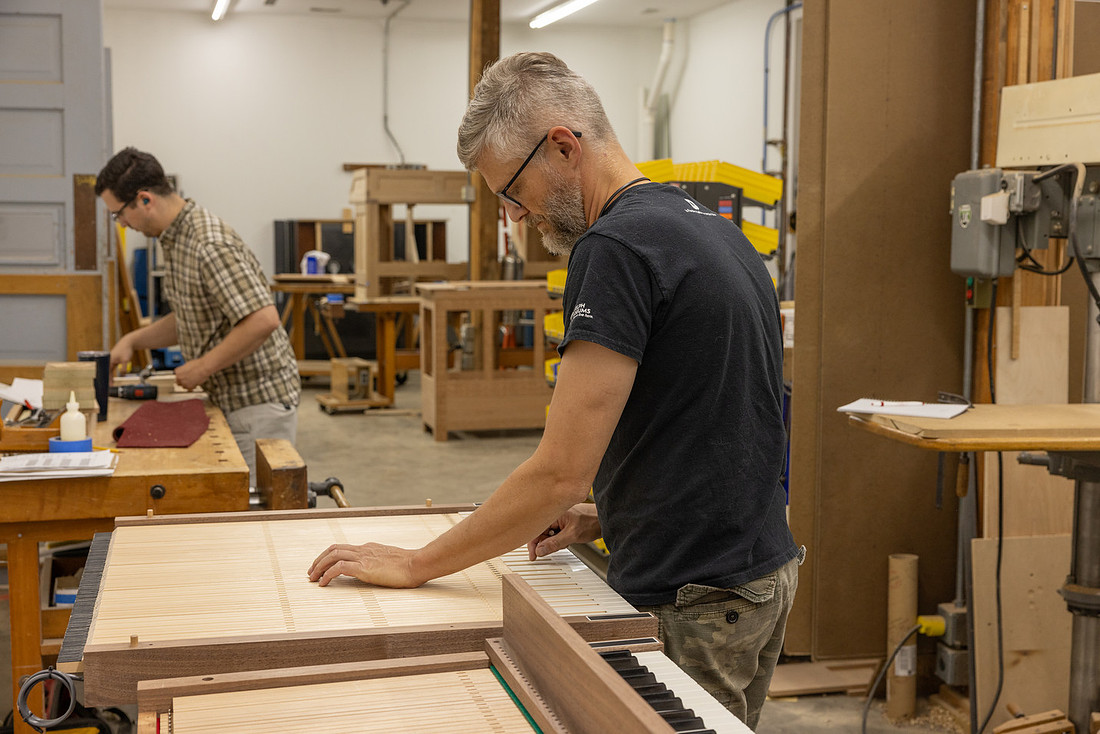
Joel VanderZee works on the keyboard for "85". Keys are no longer made of ivory, but rather cow bone.
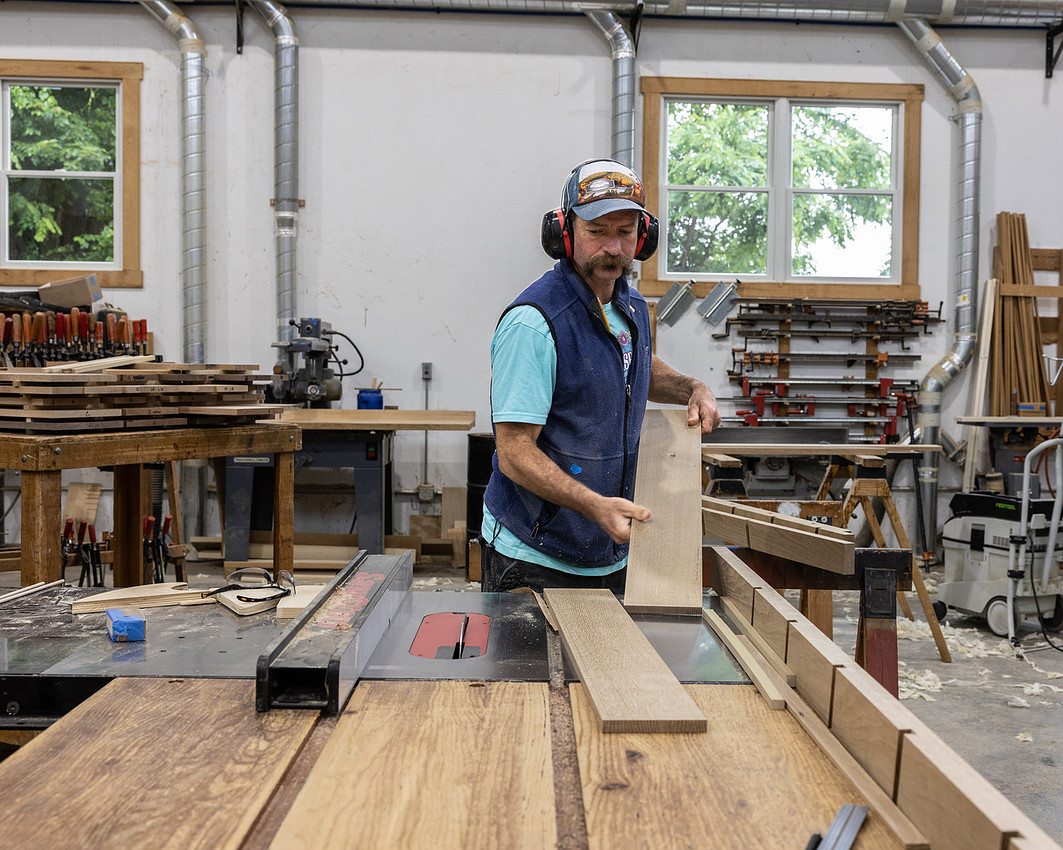
Andy Rhodes dimensioning lumber that will be part of the organ.
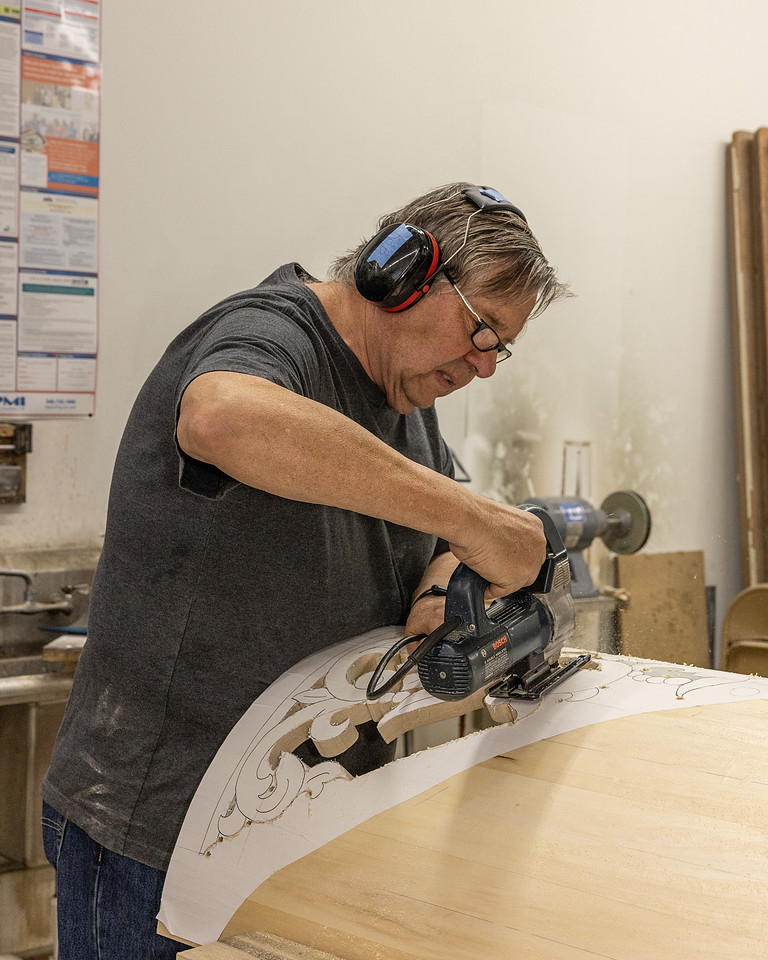
Kelley Blanton makes some of the first rough cuts of the wood carvings for Opus 85.
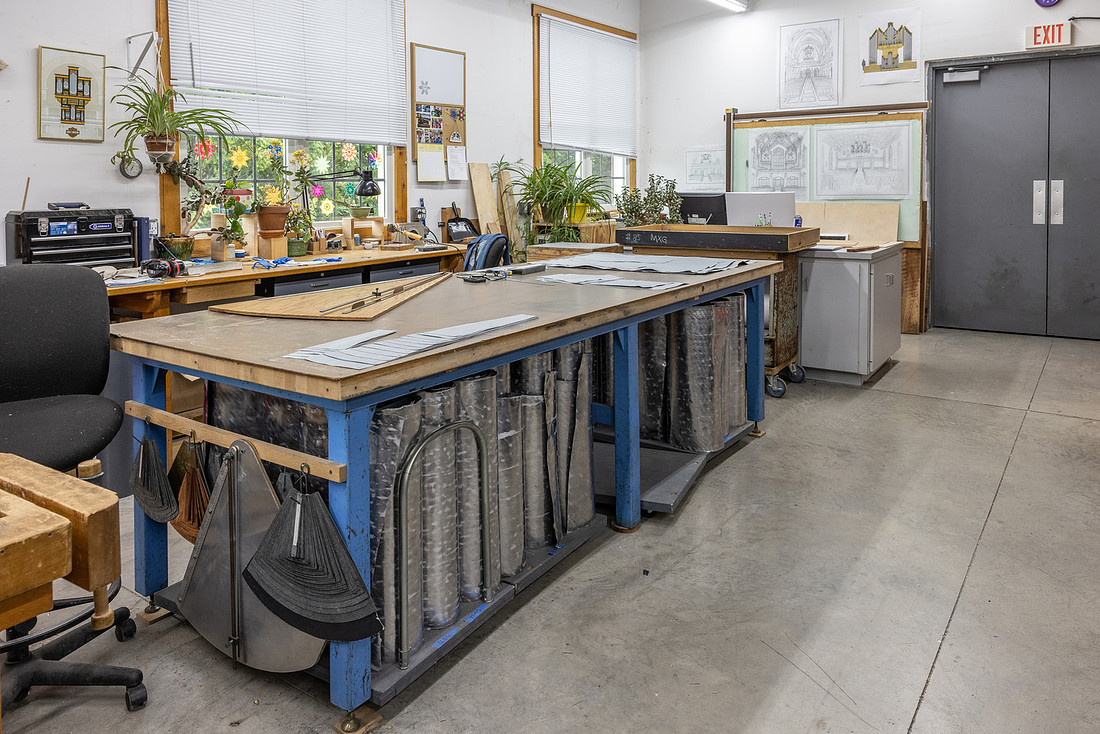
The metal fabrication room in the old school building where the organs pipes are created.
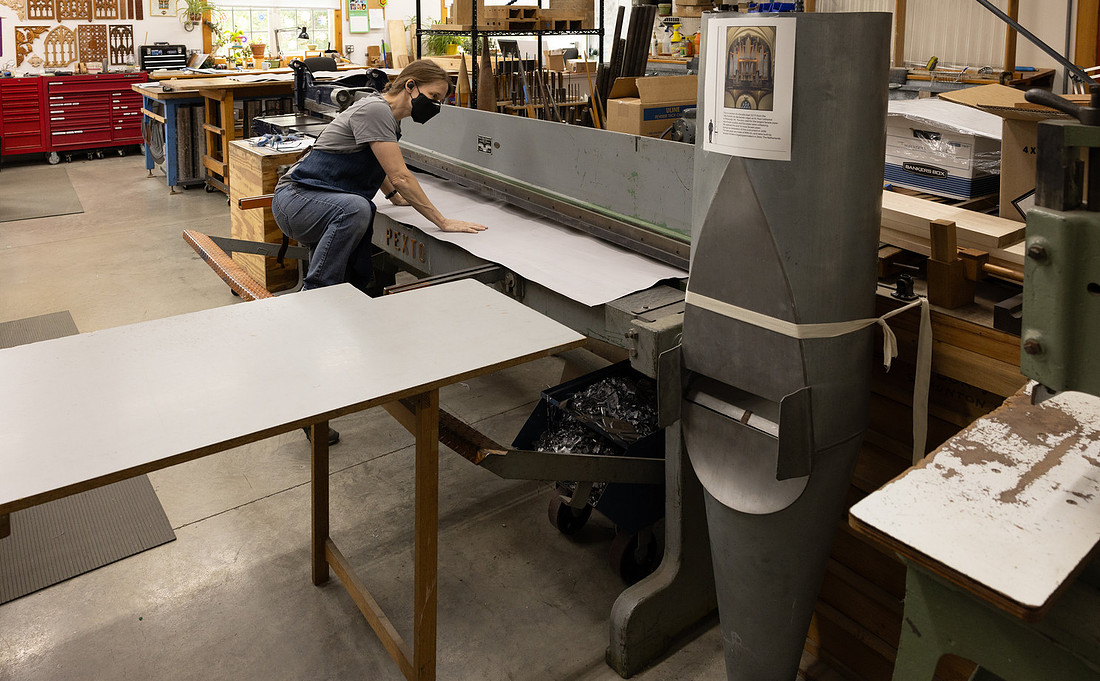
B J Regi works the metal for one of the 1,800 plus pipes.
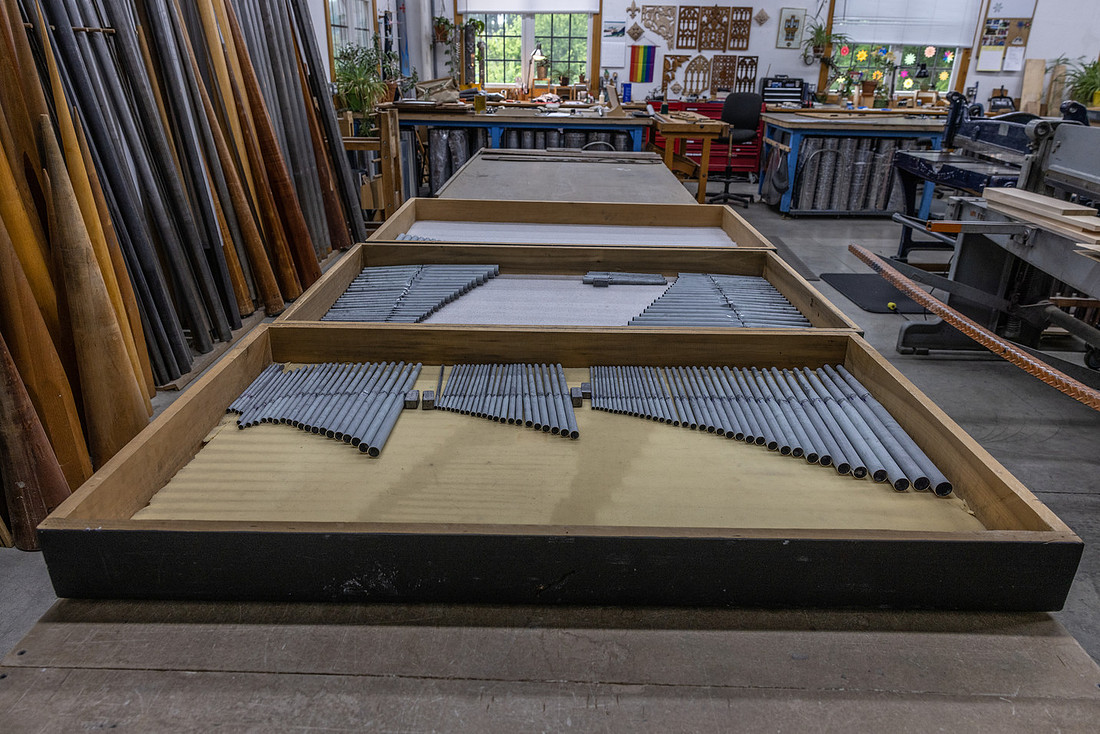
Metal pipes await the next step.
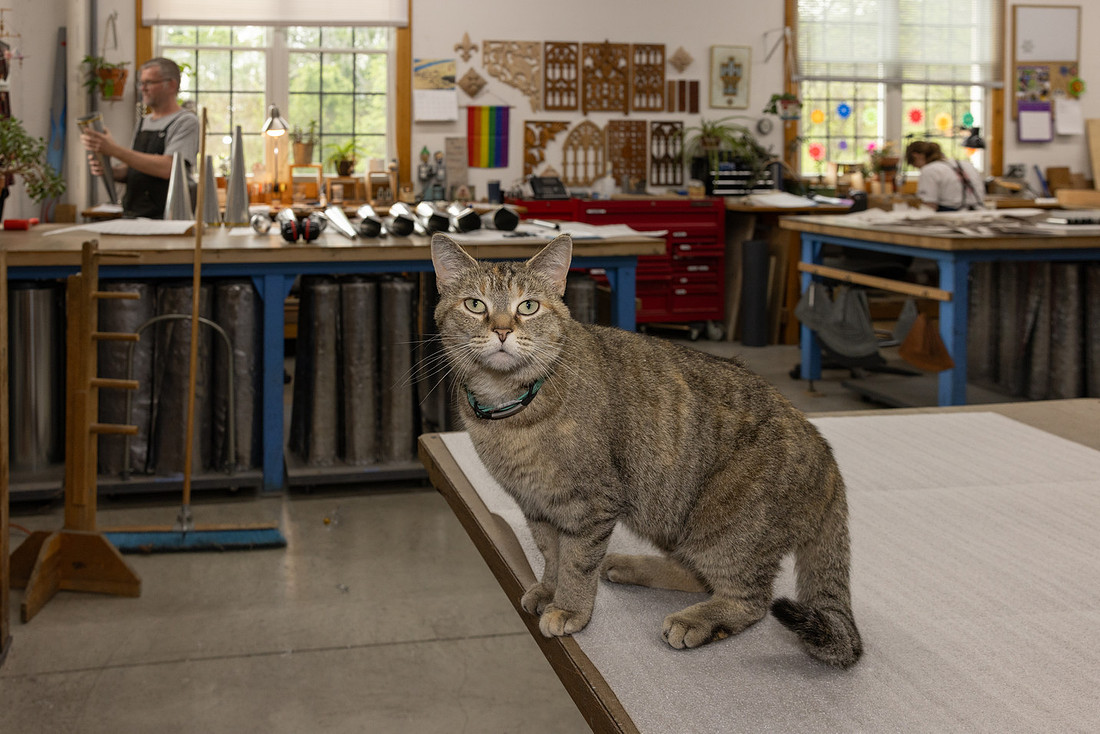
Penny the cat supervises the work in the fabrication room. In the background on the left is Robbie Lawson and to the back right is B J Regi.
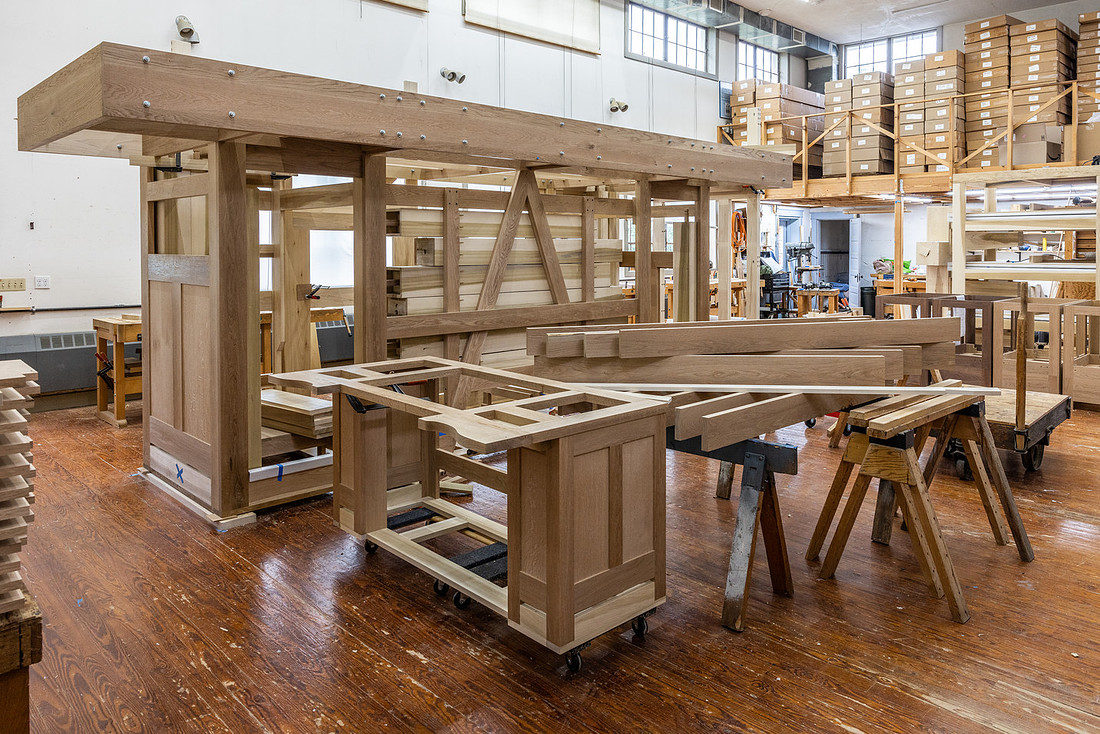
The case for "85" begins to take shape in the gym area. June 2023.
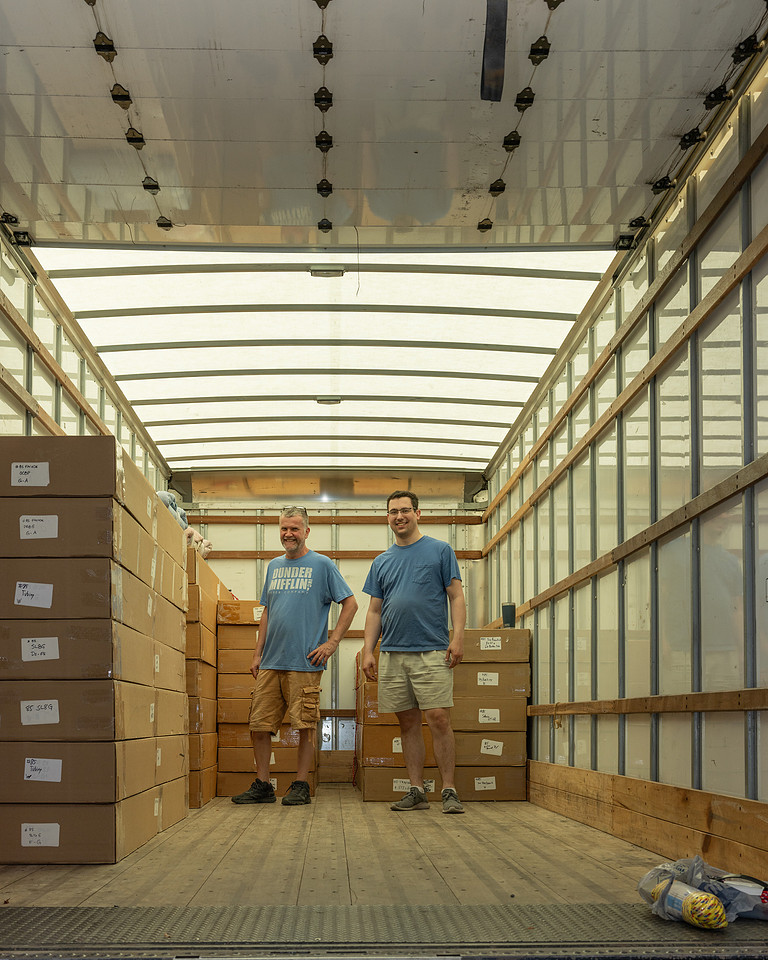
After Memorial Day in 2024, the move of the organ to New Bern begins. Robbie Lawson and Sean Dye load one of the rental trucks for the trip.
In June and July of 2024 Taylor and Boody begin the process of installing Opus 85 in Christ Church.
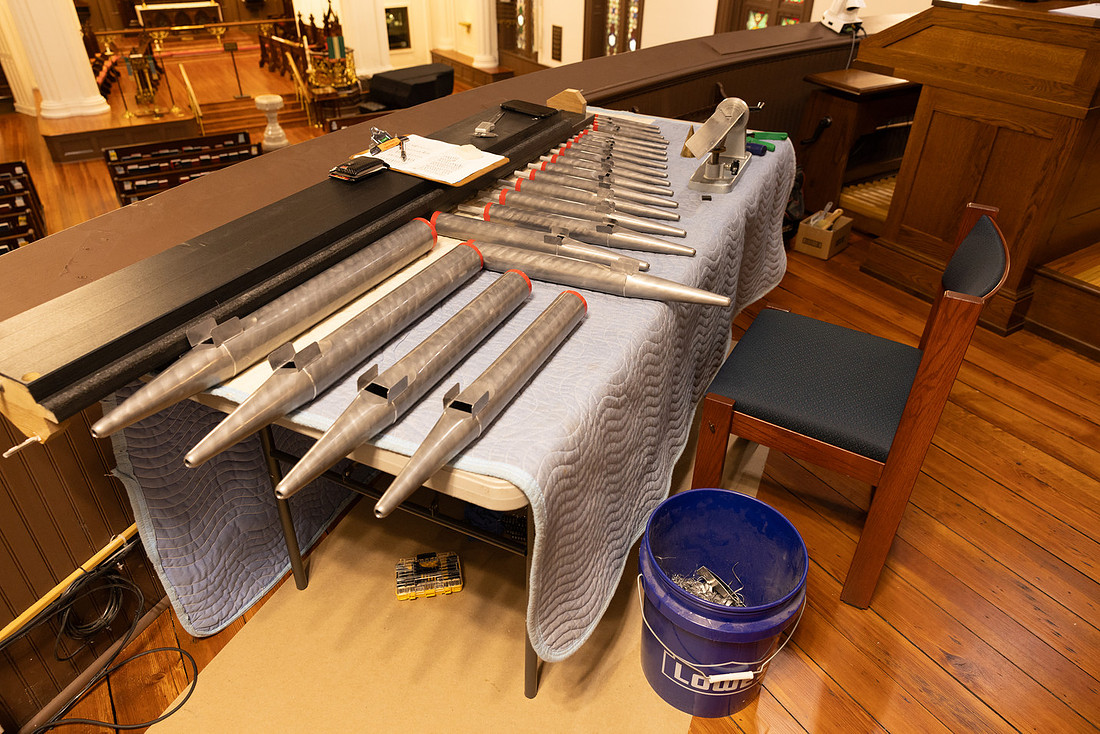
Pipes ready for installation and tuning in the balcony of Christ Church - July 2024.
It is still possible to do some slight changes to the lengths of the pipes, if necessary. More common is the flattening or sharpening of the pipe ends to achieve the desired pitch.
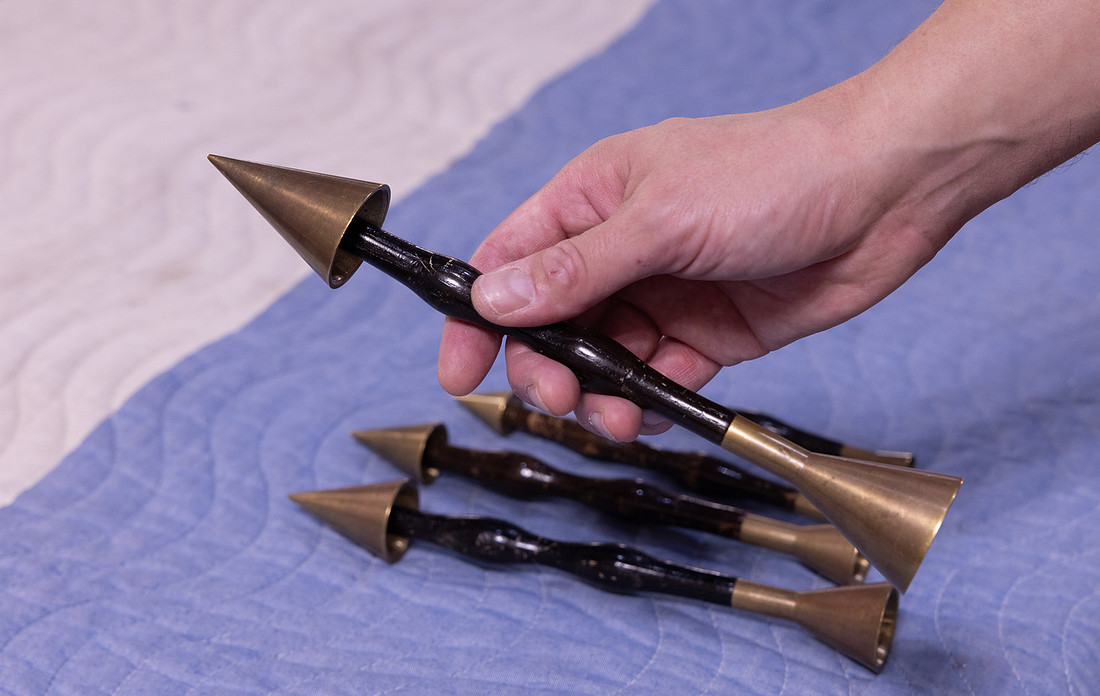
Different tool sizes allow the pitch of each pipe to be changed.
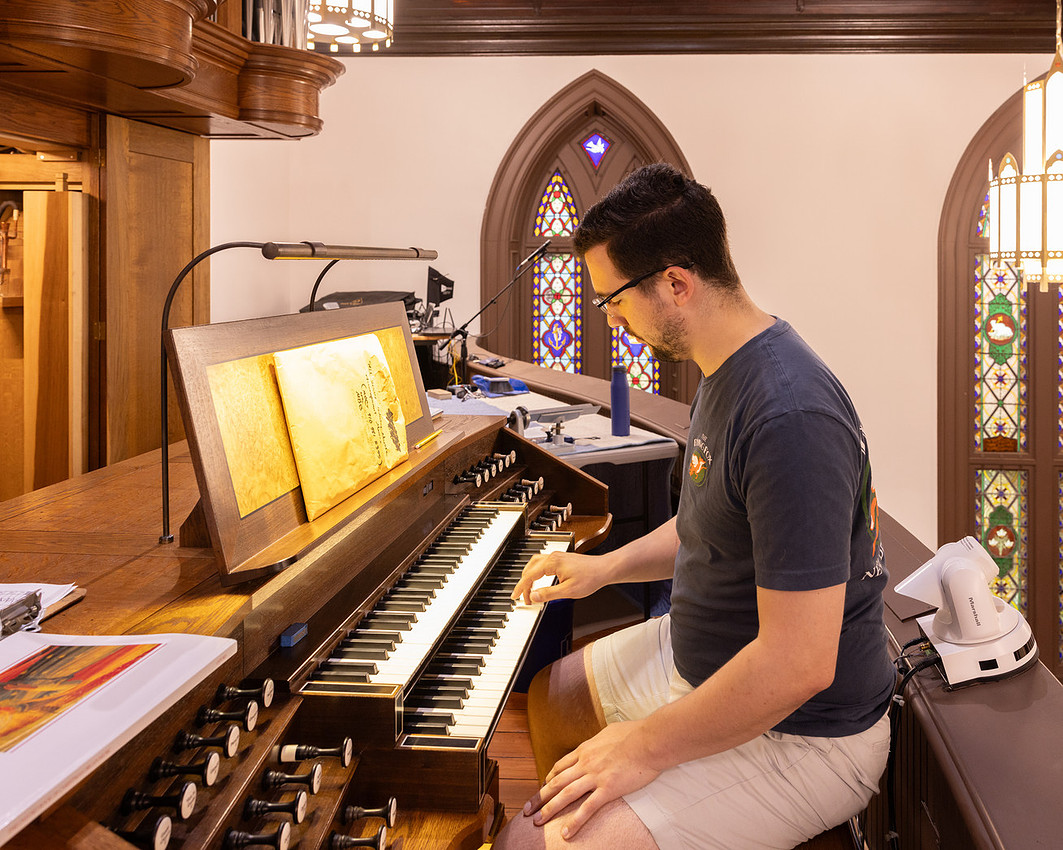
Sean Dye at the console in the church balcony activates a pipe for fine tuning.

Behind the organ, Joel VanderZee uses the tools on each pipe for the fine tuning.
A regular schedule of tuning will be needed through the years at approximate 10 year intervals.
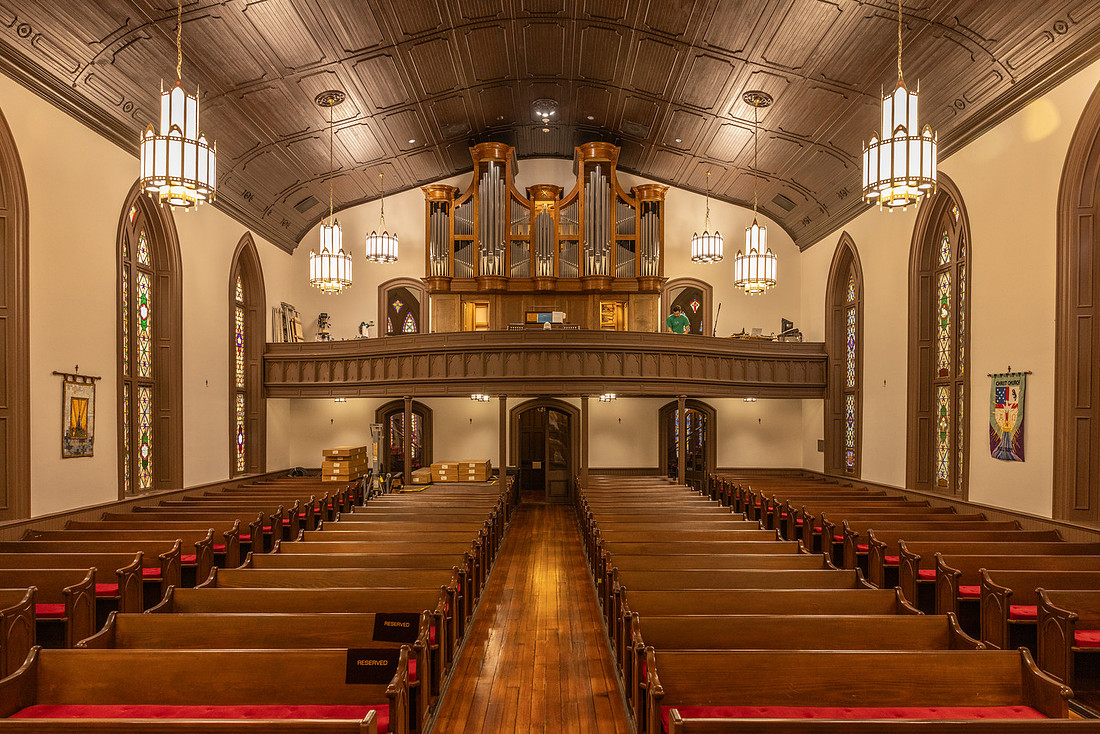
View of the church sanctuary in July of 2024.
The organ was only one of a number of changes the congregation undertook at Christ Church that included work on the ceiling, floor and pews of the New Bern church. The visible pipes have about 80% tin content so they take a shine better. The pipes with more lead content are more hidden from view.
The team that worked on Opus 85:
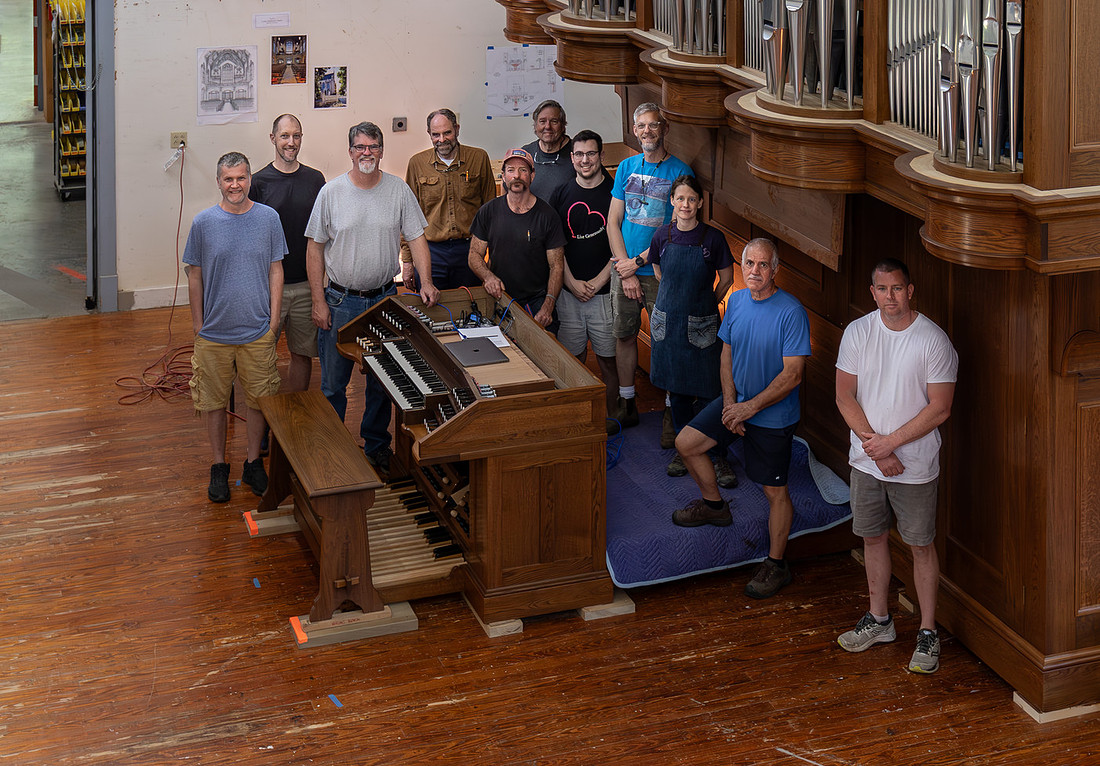
From left to right: Robbie Lawson, Aaron Reichert, Erik Boody, Emerson Willard, Andy Rhodes, Kelley Blanton, Sean Dye, Joel VanderZee, B J Regi, Larry Damico and Alex Redmond.
© Cliff Brane 2023-2024
]]>
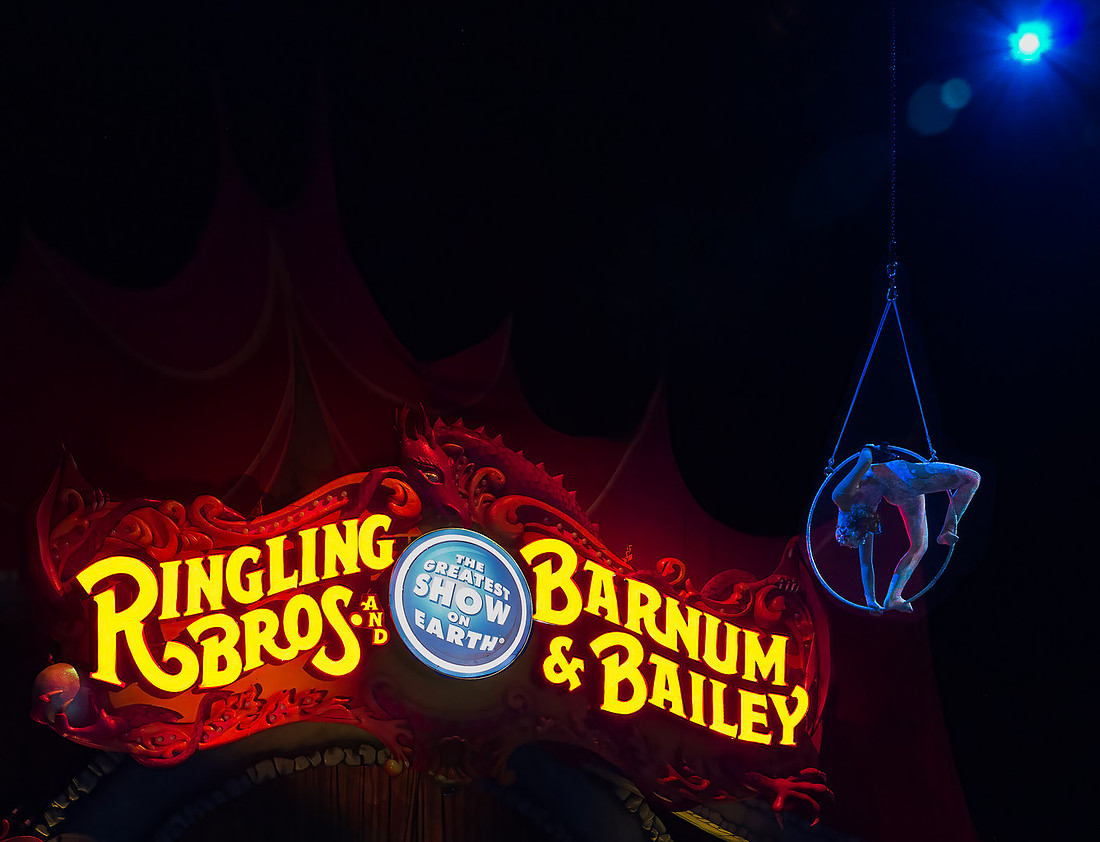 Many of us can remember the circus from our childhood. My first memories were created at The Forum in Wichita, Kansas when Ringling Bros. would come to town. It wasn't the big tents or the "Big Top" as it was often called, I'd seen in movies. It was an indoor event that eventually grew to large arena size after the circus was acquired by Feld Entertainment in the 1960's.
For several years prior to 2017 when Feld closed the 146 year old circus, I used some business contacts to gain access to pre-shows and the show itself. It was an up close experience that ended when Feld became more cautious after a tragic accident that injured a number of performers at a show in the Northeast. The images in this blog are from a number of different themed performances over several years.
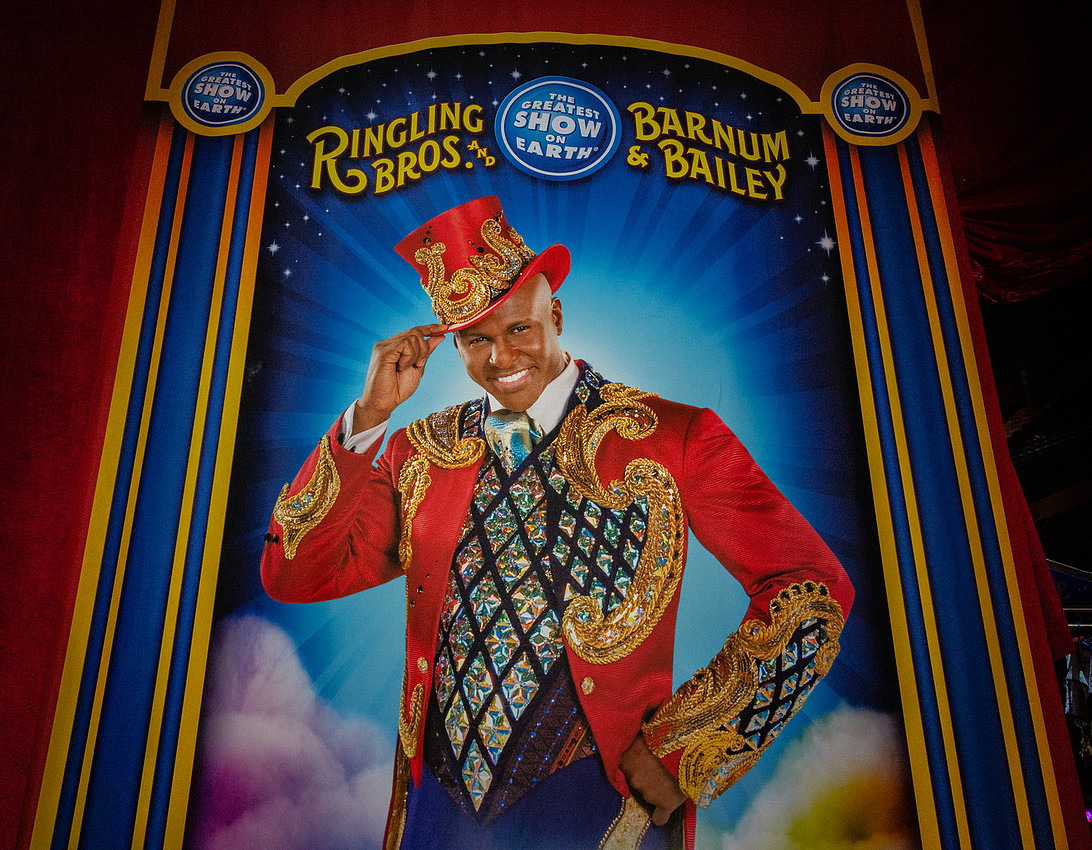
The Ringmaster - Master of Ceremonies and the glue that held the performance together.
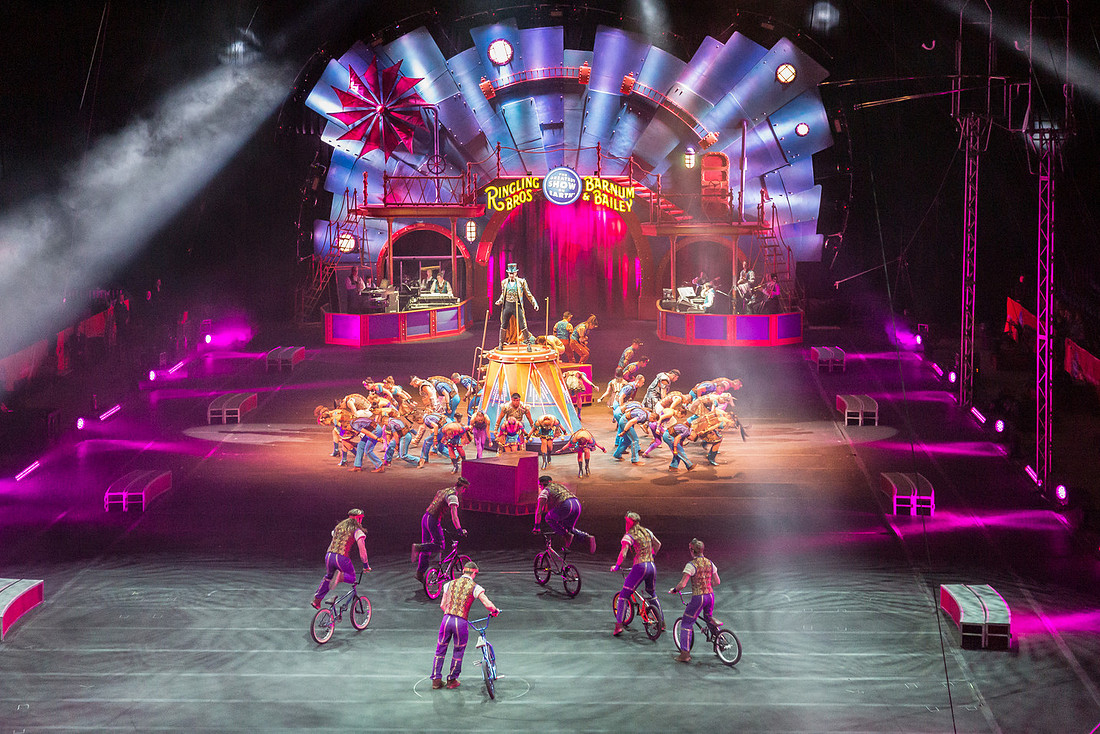 There were many glorious ways to introduce the crowd to the Ringmaster.
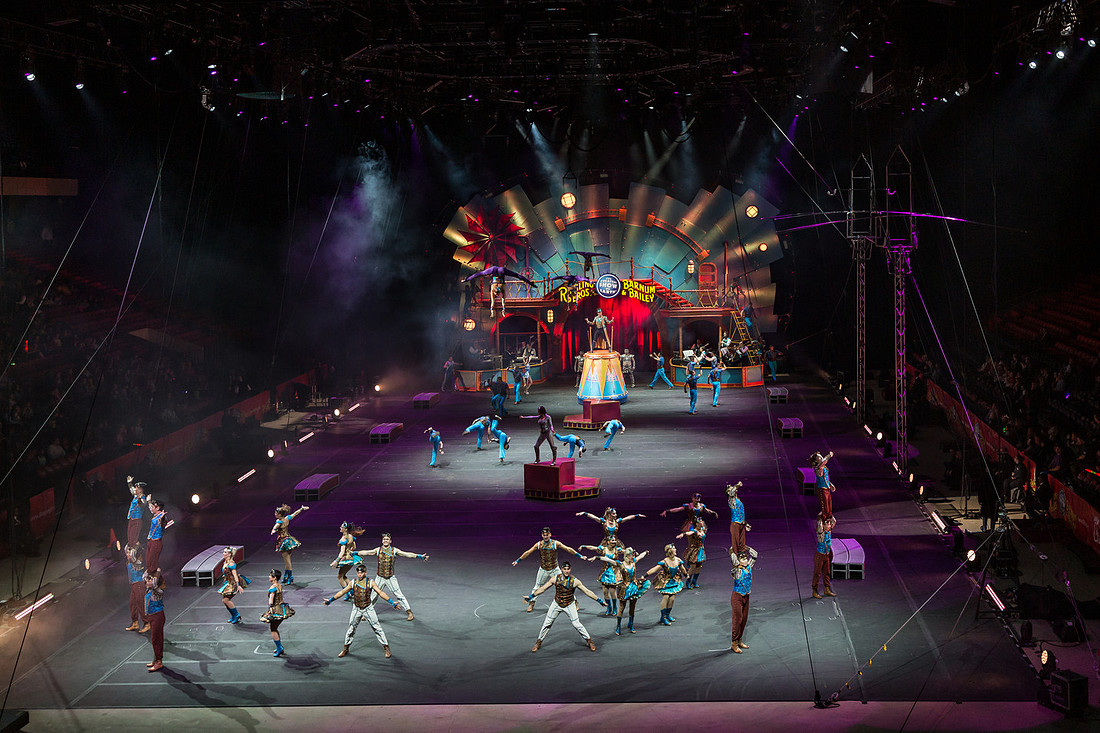
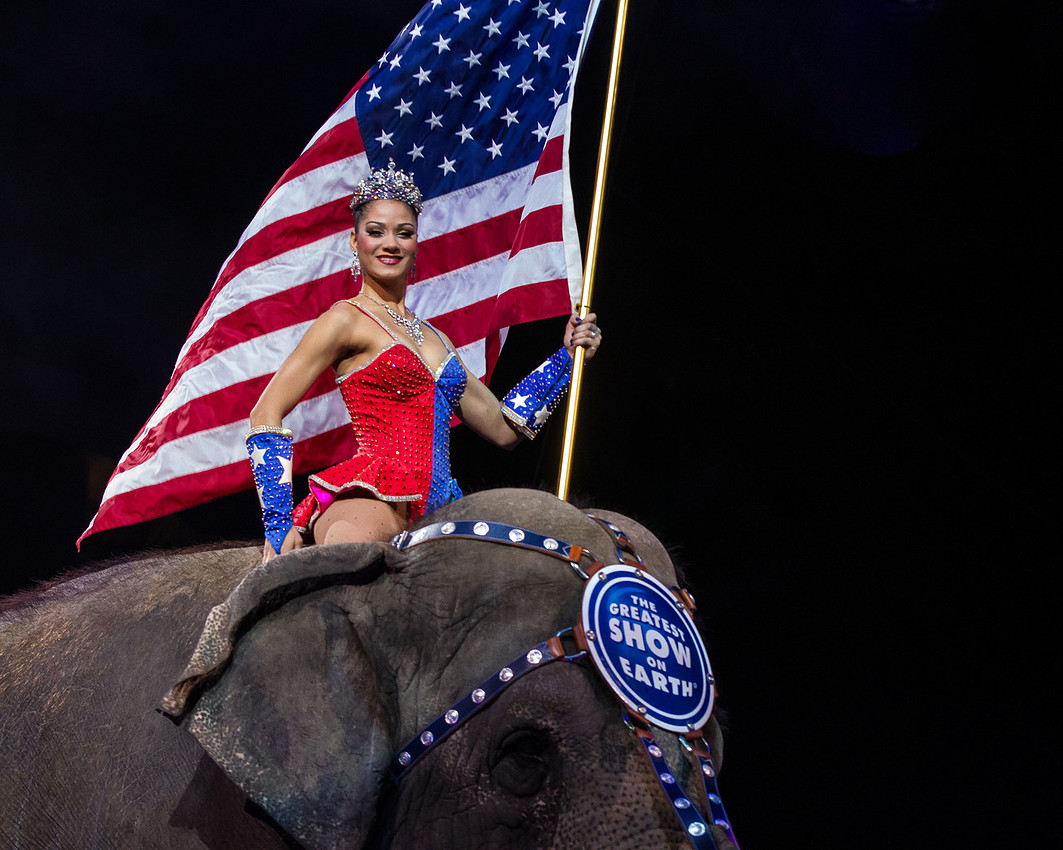 The circus weathered criticism and protesting over the treatment of circus animals including and maybe even primarily among them the elephants.
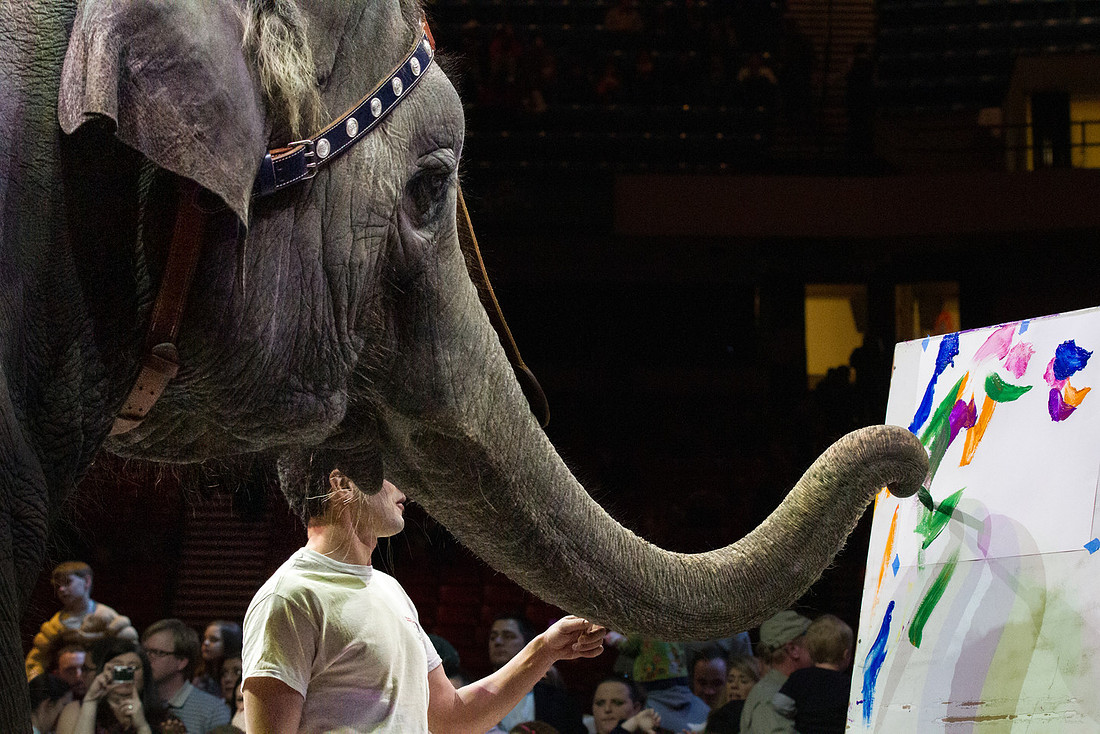
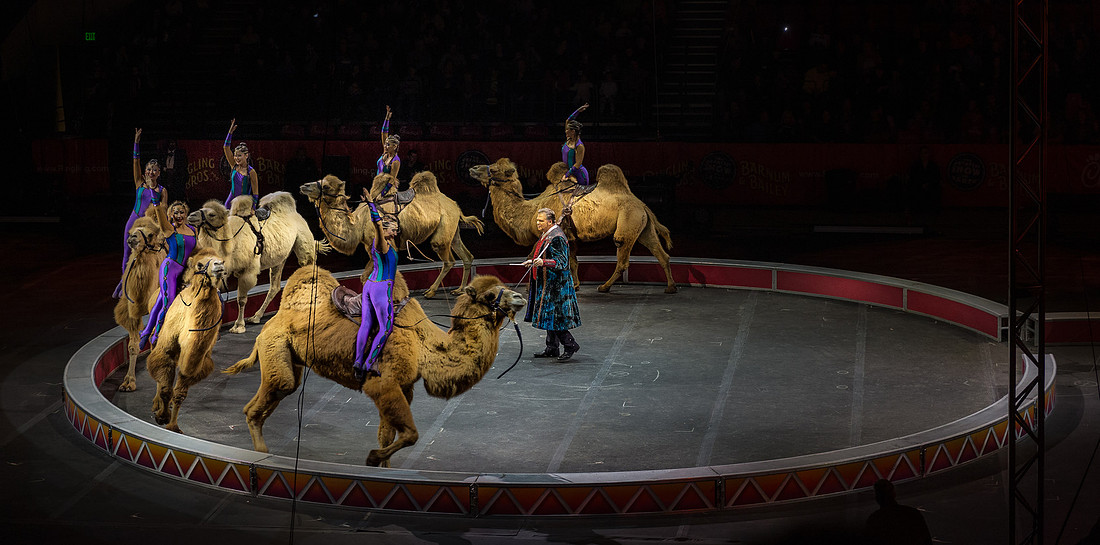
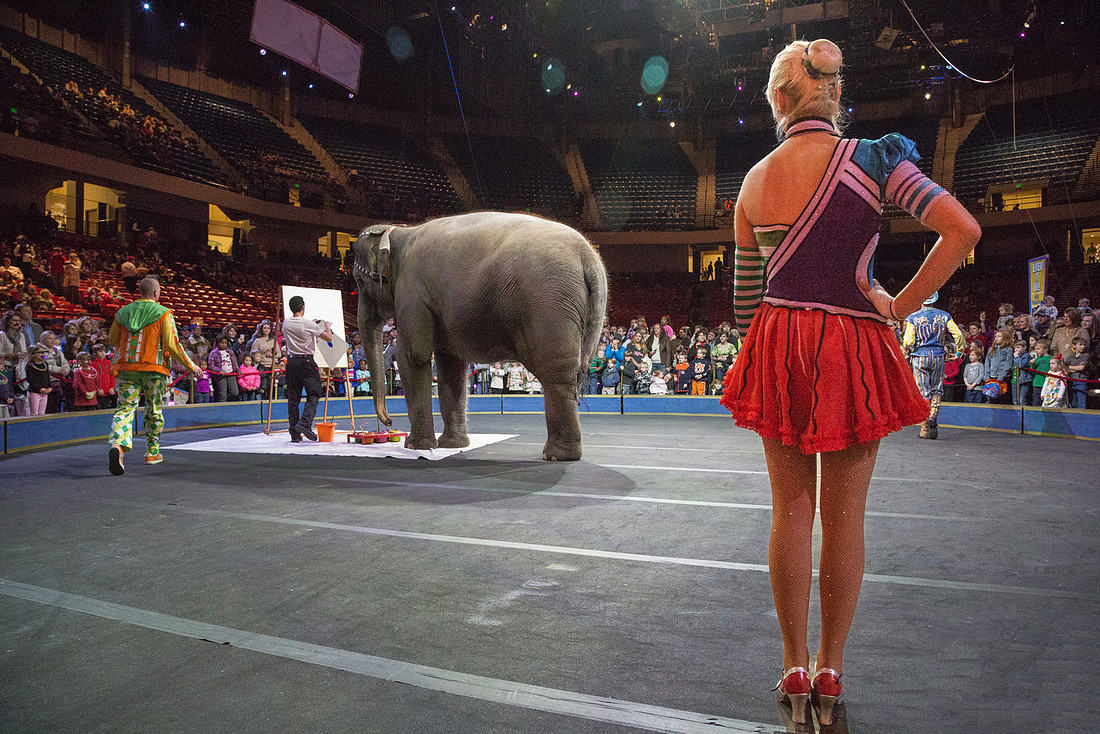 THE ANIMAL ACTS

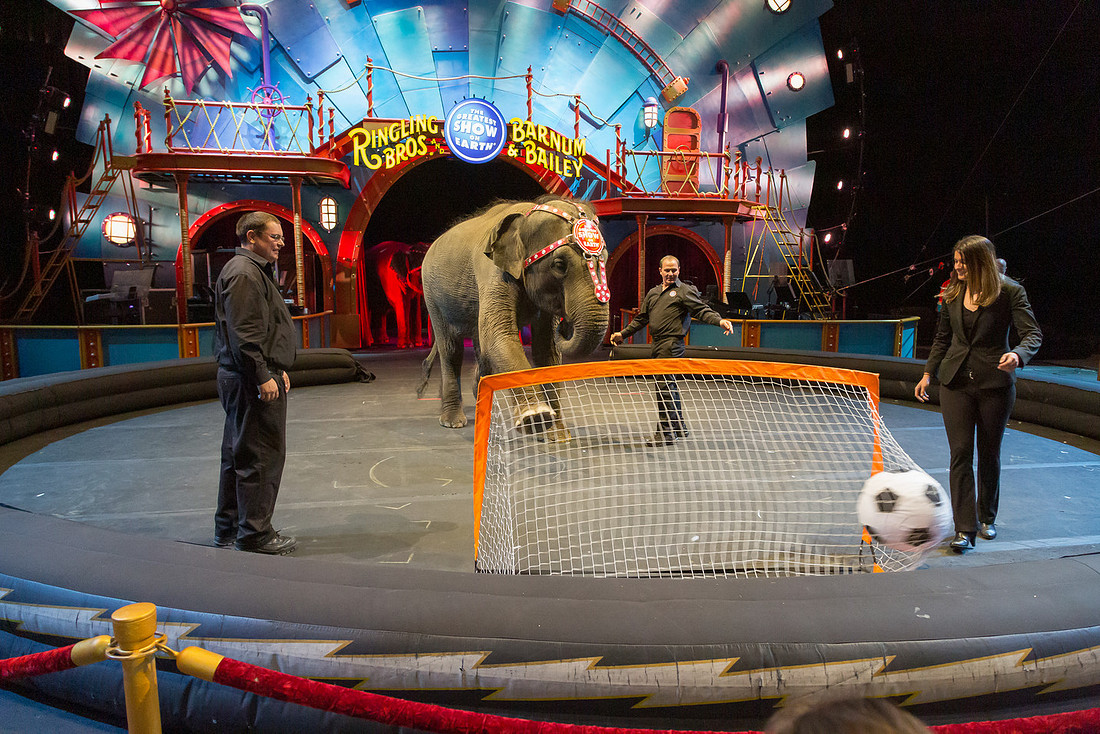
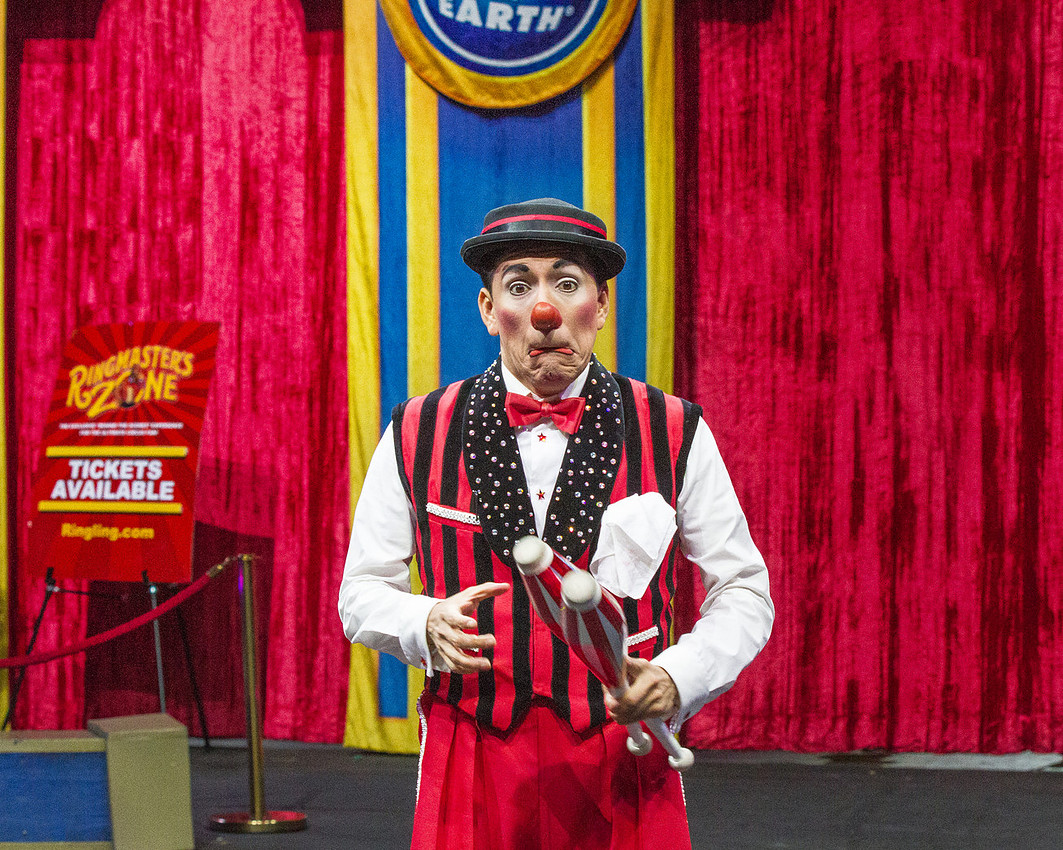
THE CLOWNS: If the Ringmaster was the guide to the circus universe, the clowns were another constant, always ubiquitous and crowd pleasing.
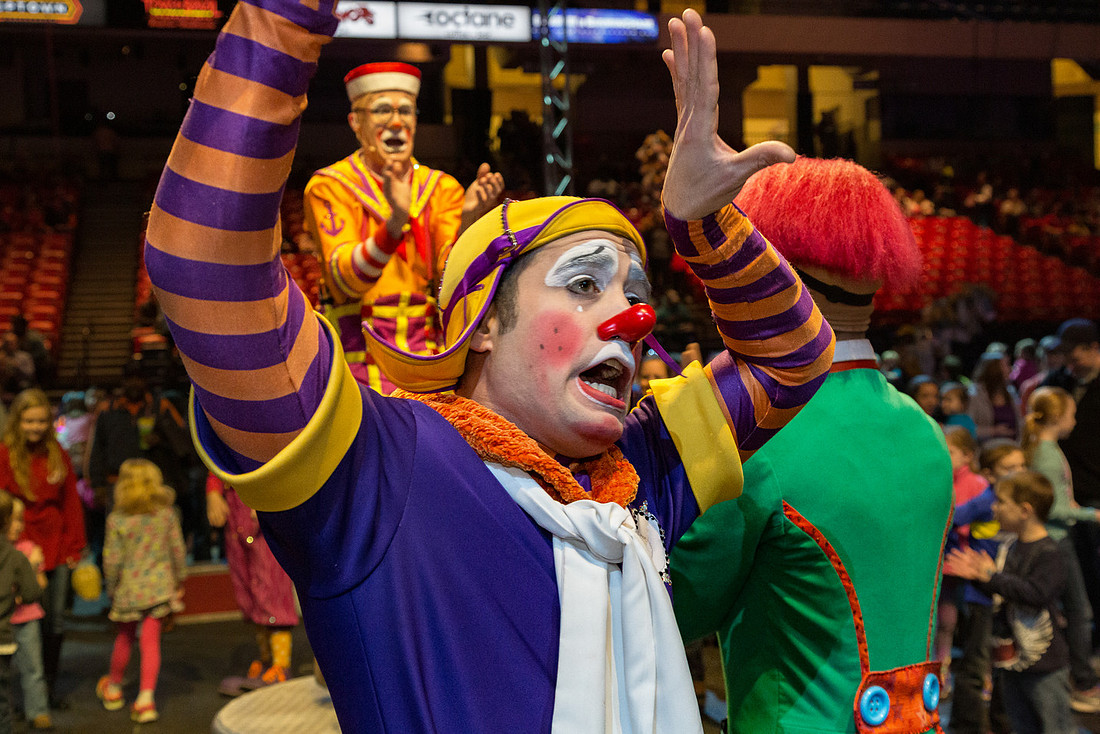
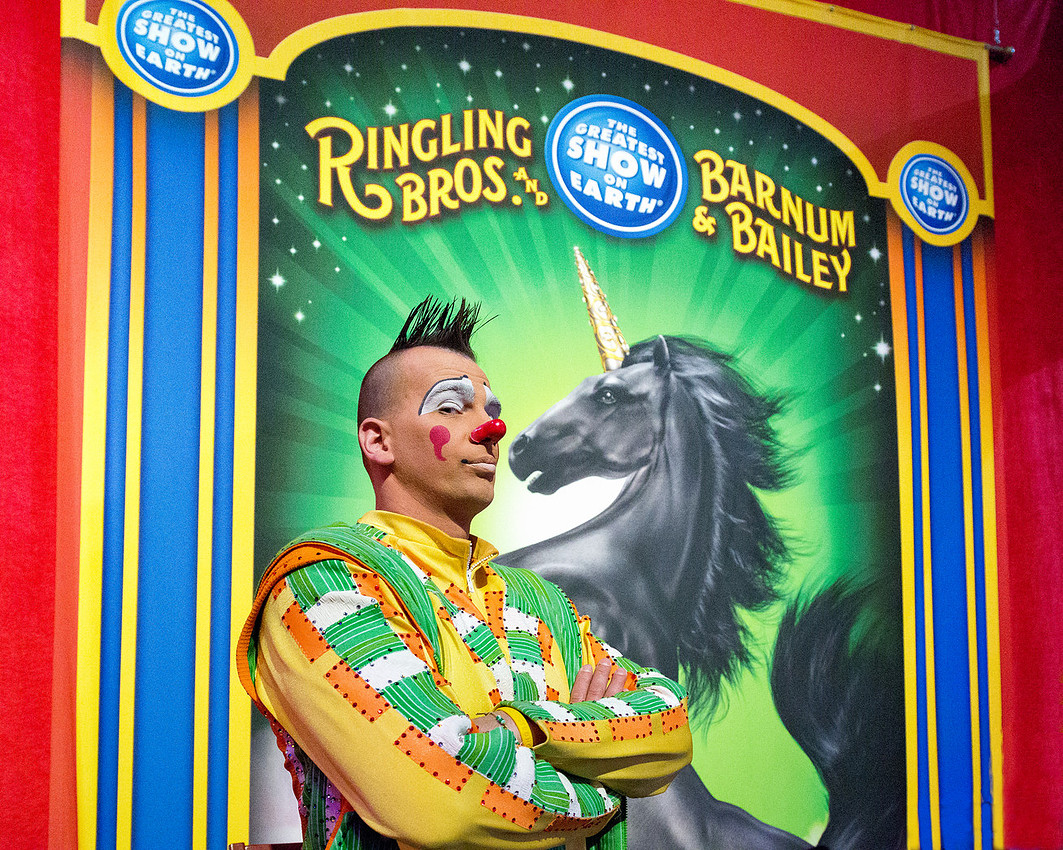
THE VETERAN CLOWN
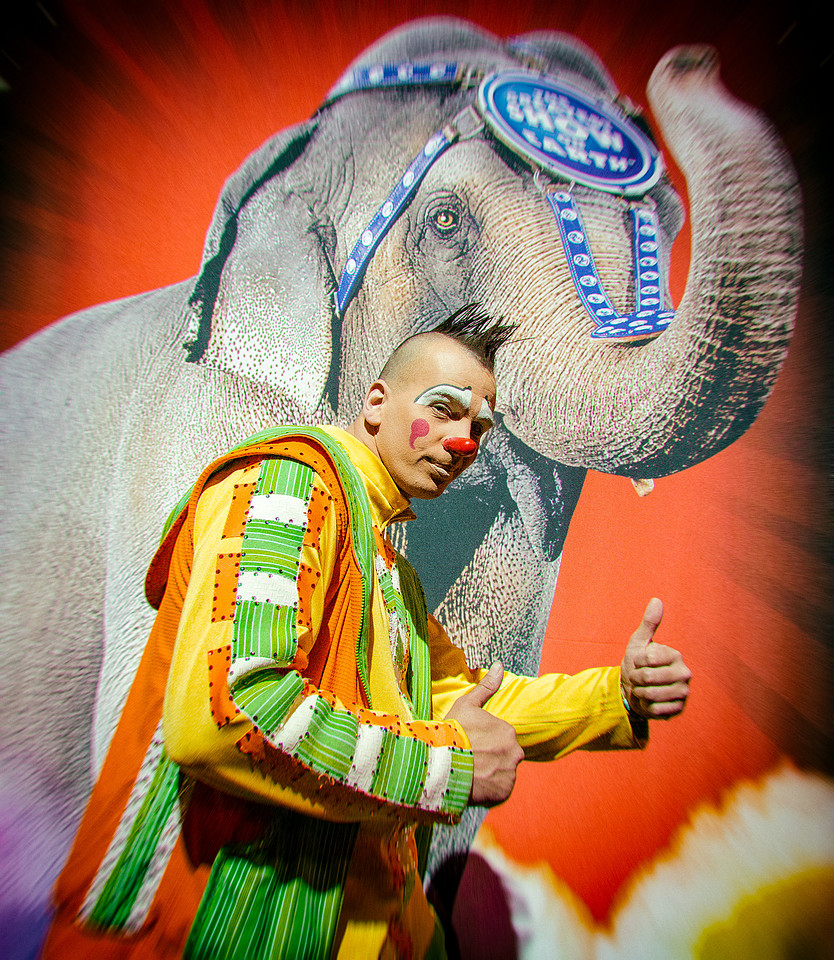
The other clowns encouraged me to meet this gentleman. They said he had been with RBBB the longest of any of them.
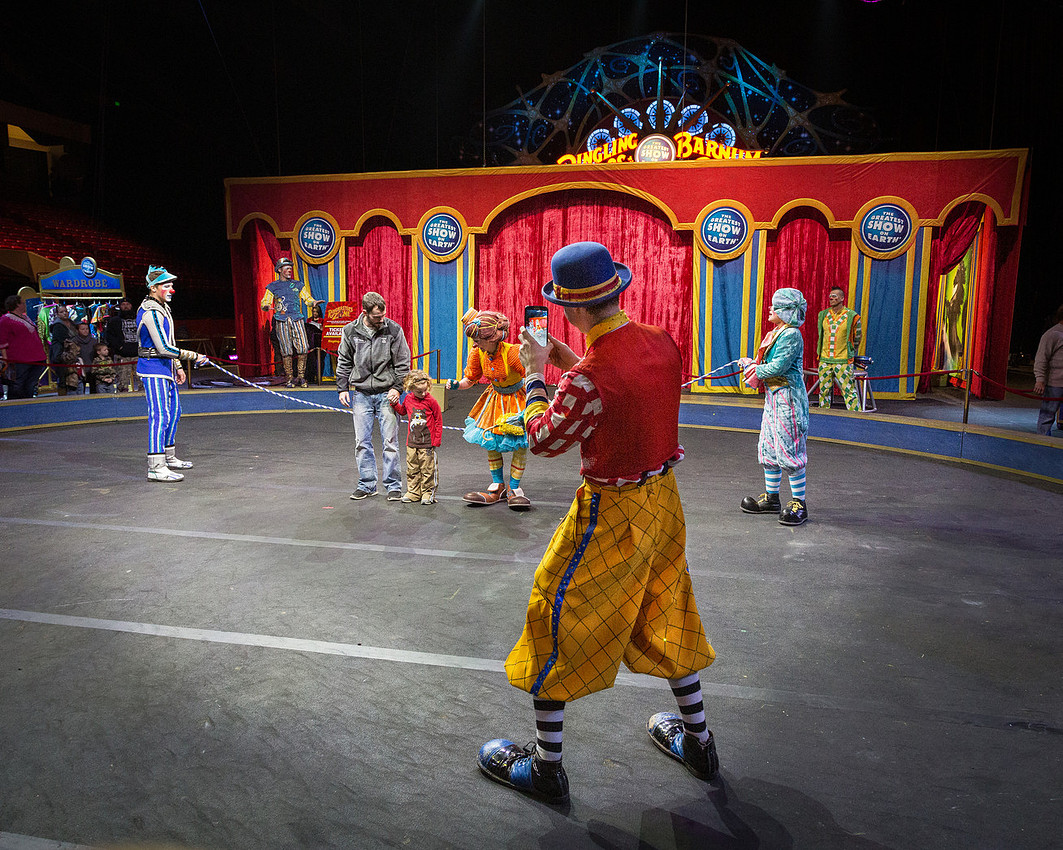
Clowns often facilitated other acts. In this case Jemma "The Jet" (Kirby).
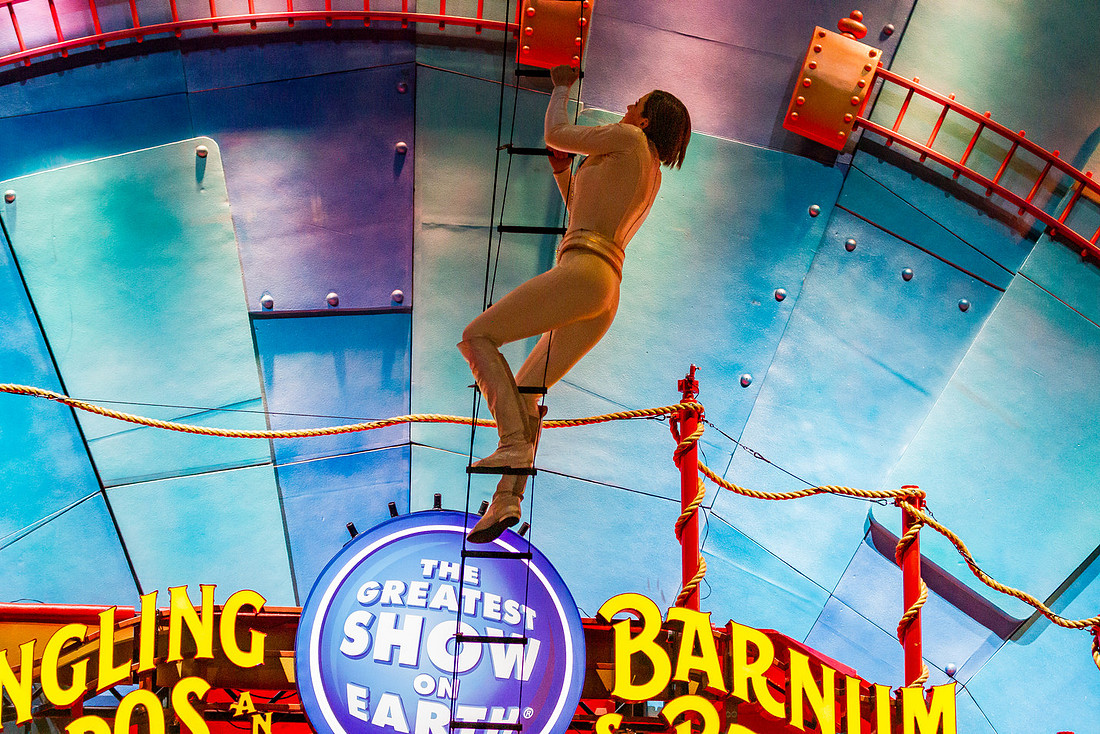
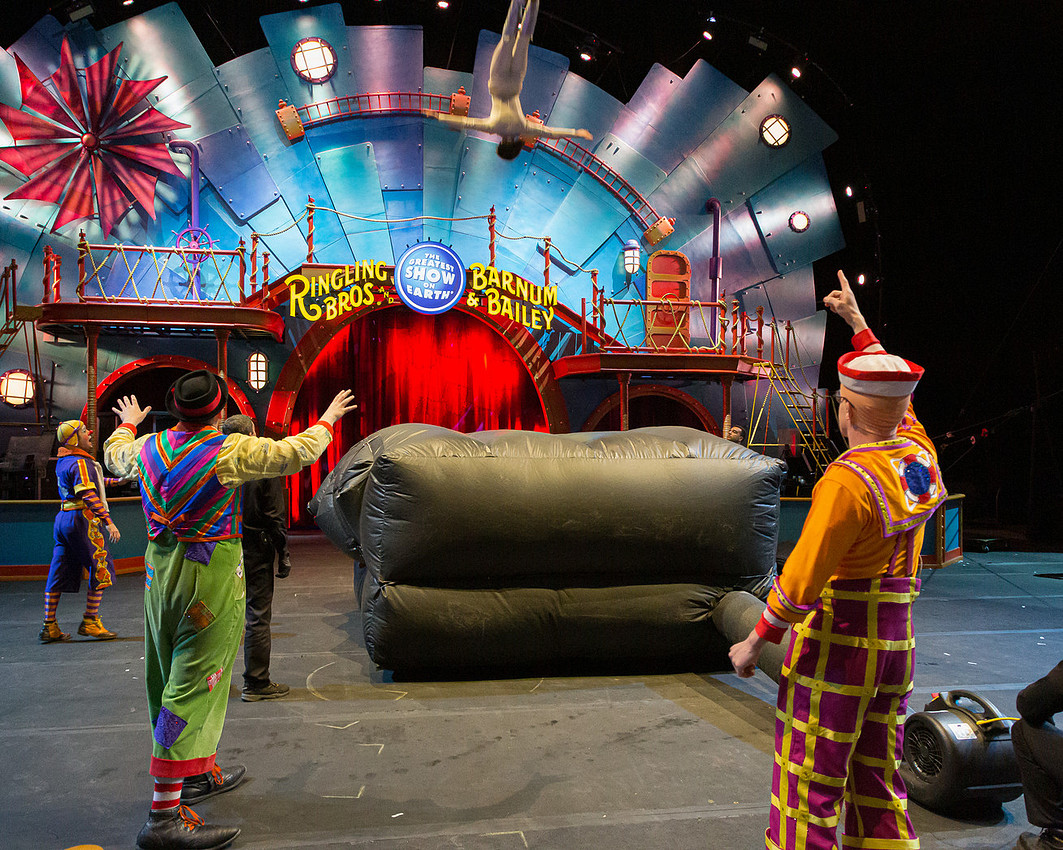
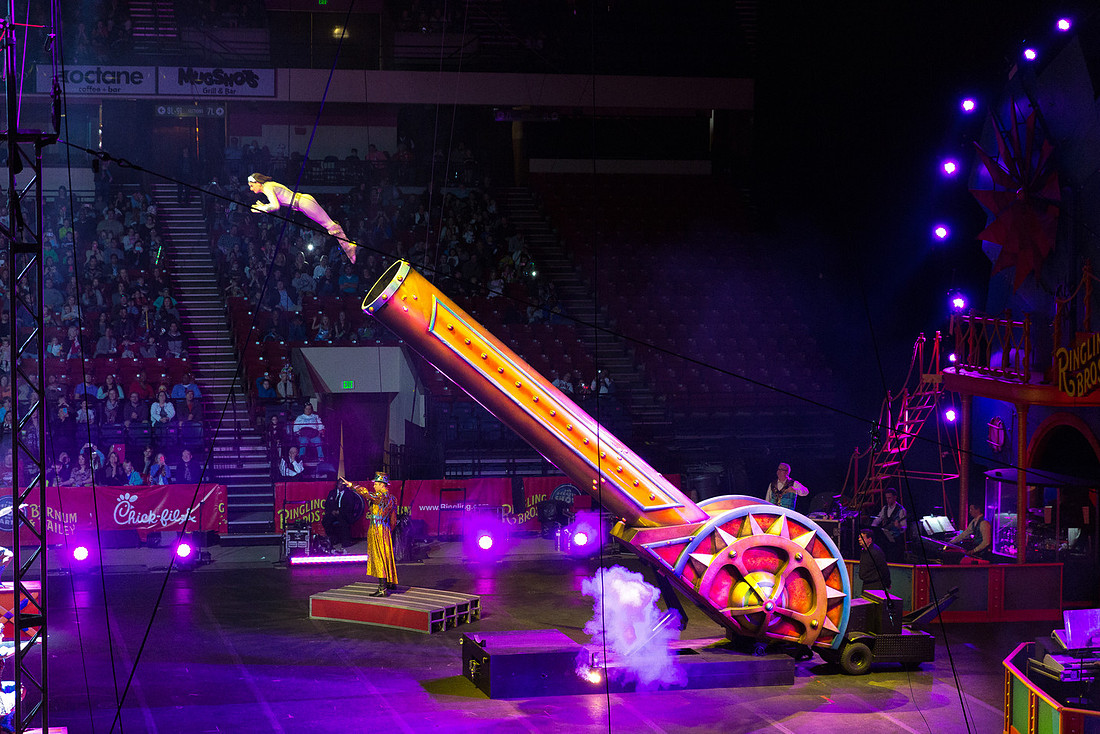

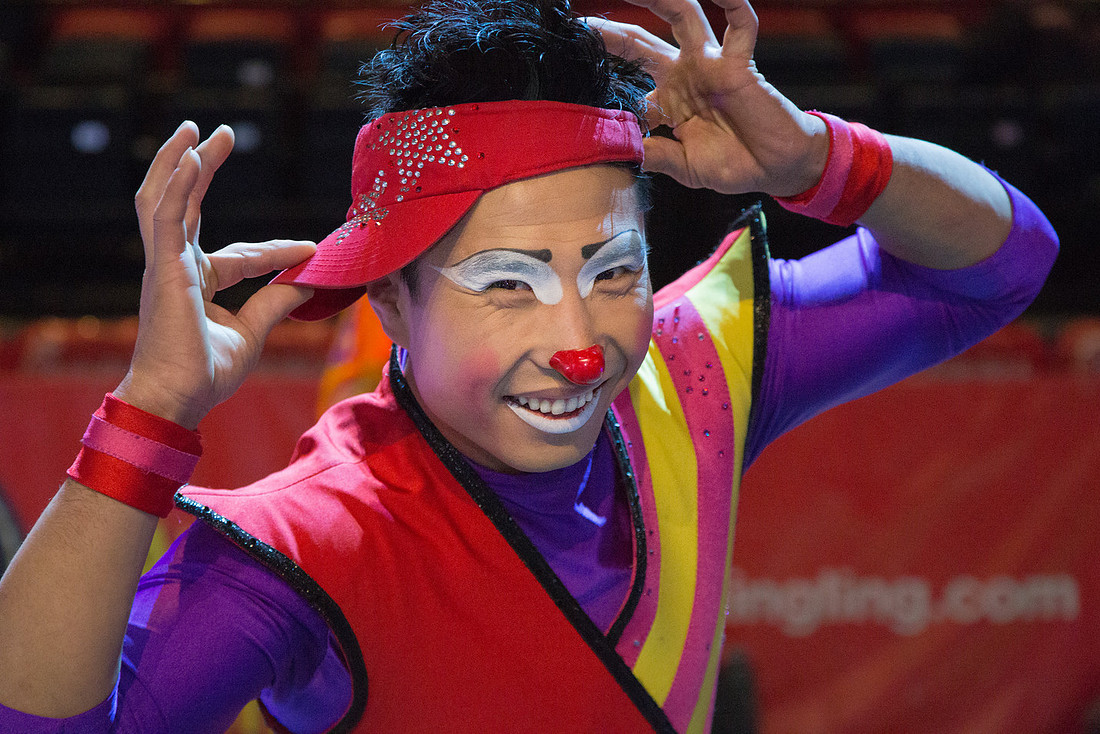
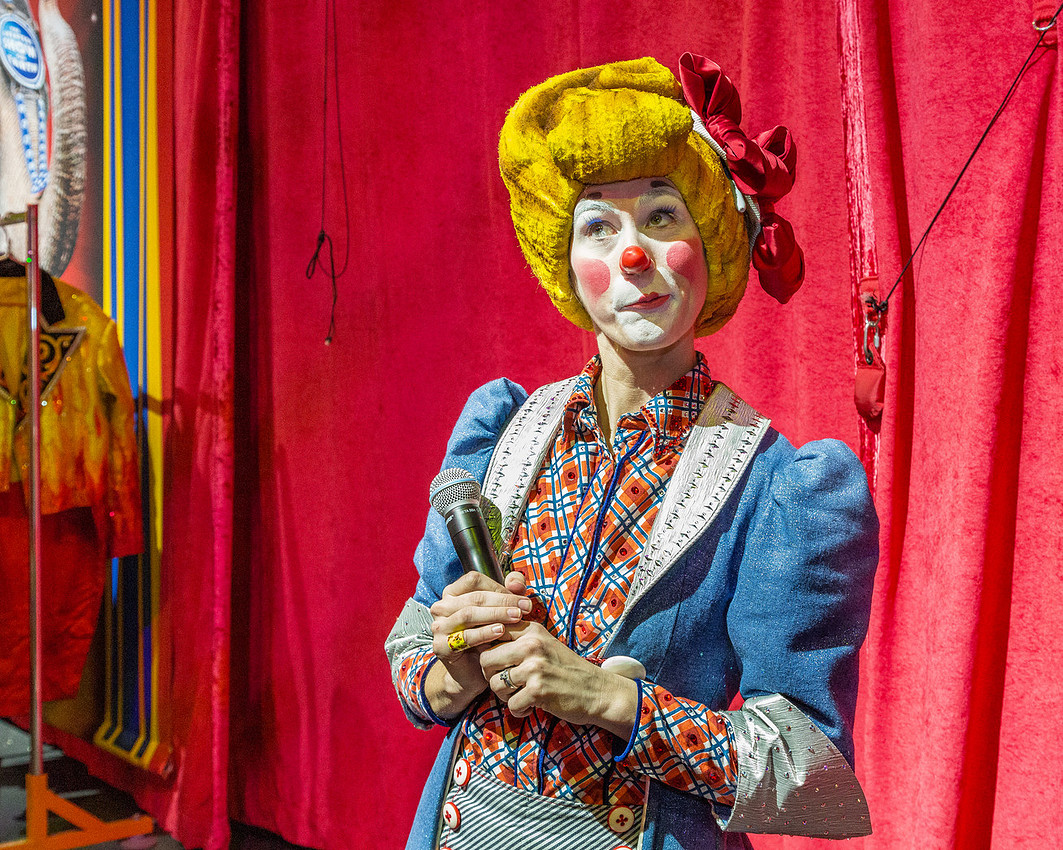

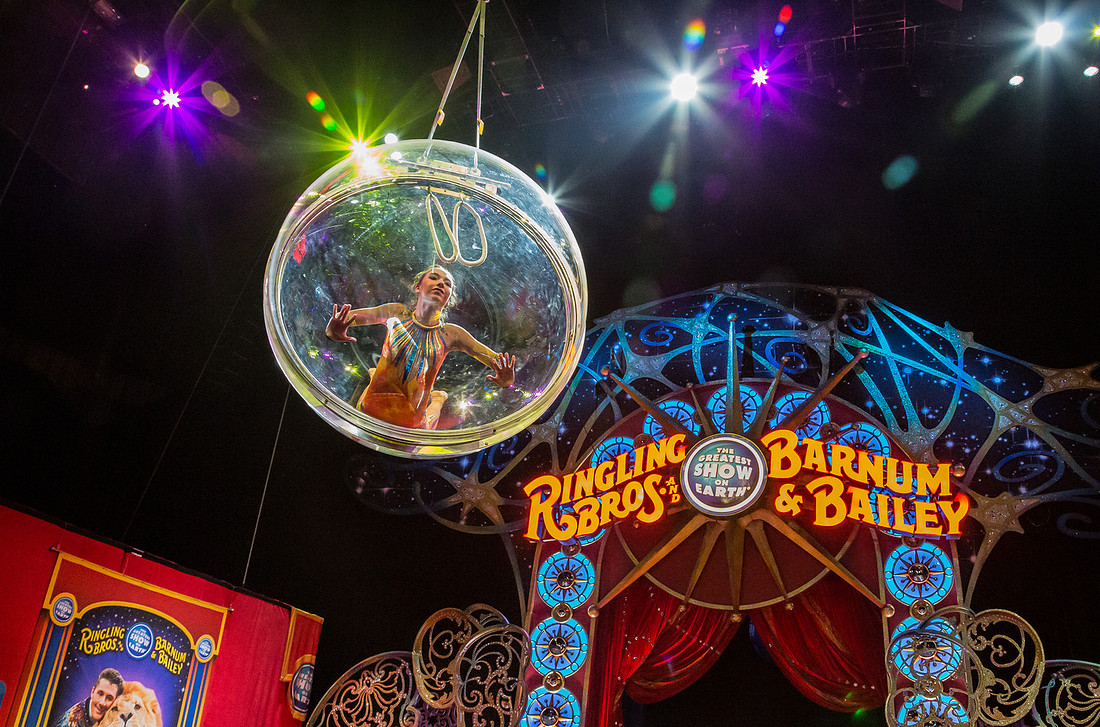
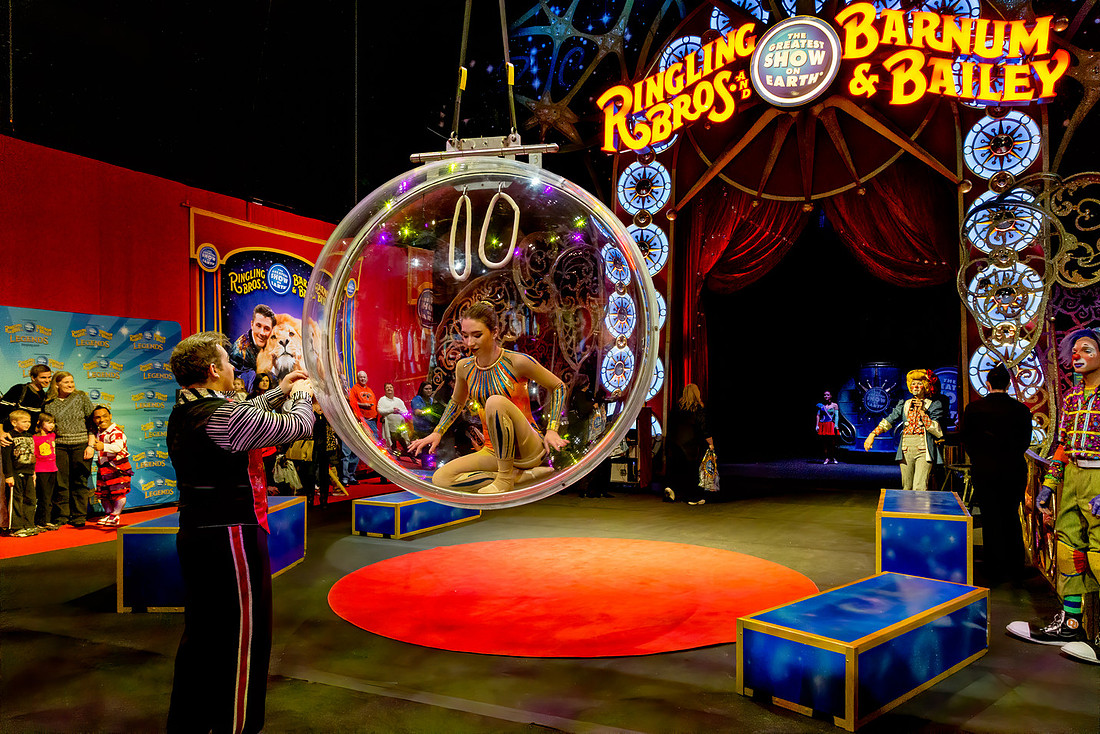
I remember reading how the Felds, who own Ringling Brothers, would travel the world to view potential acts for their productions.
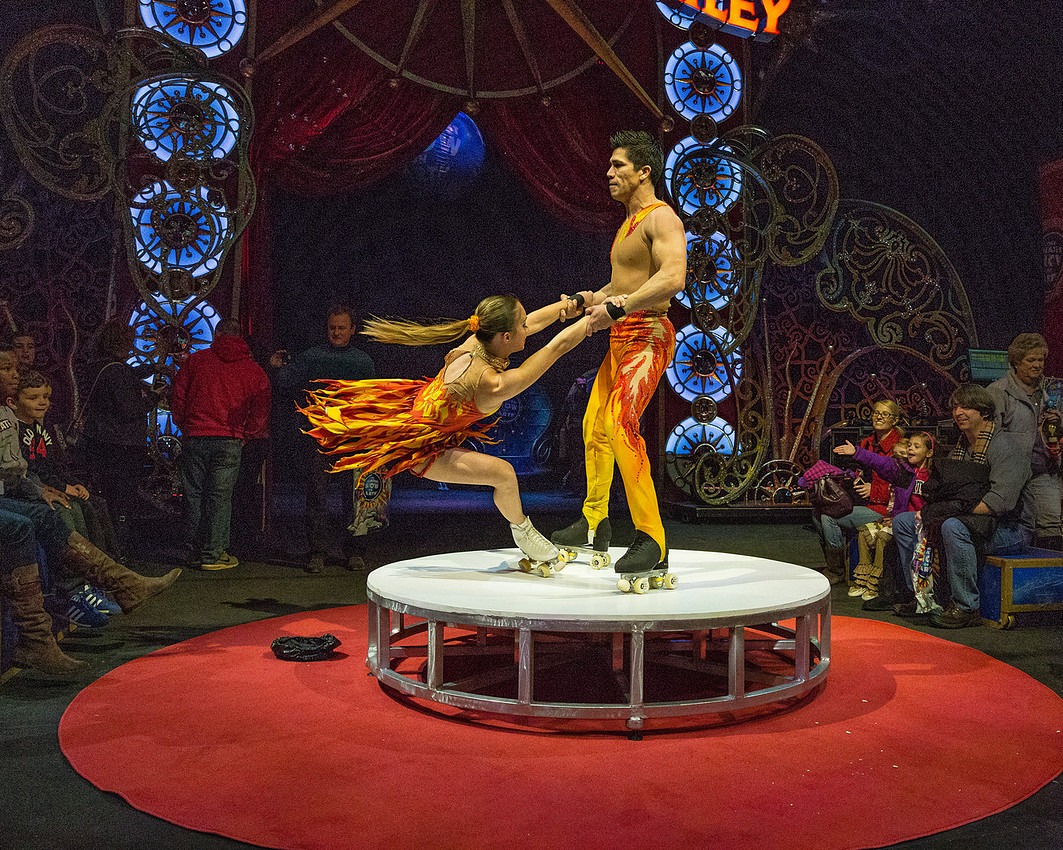
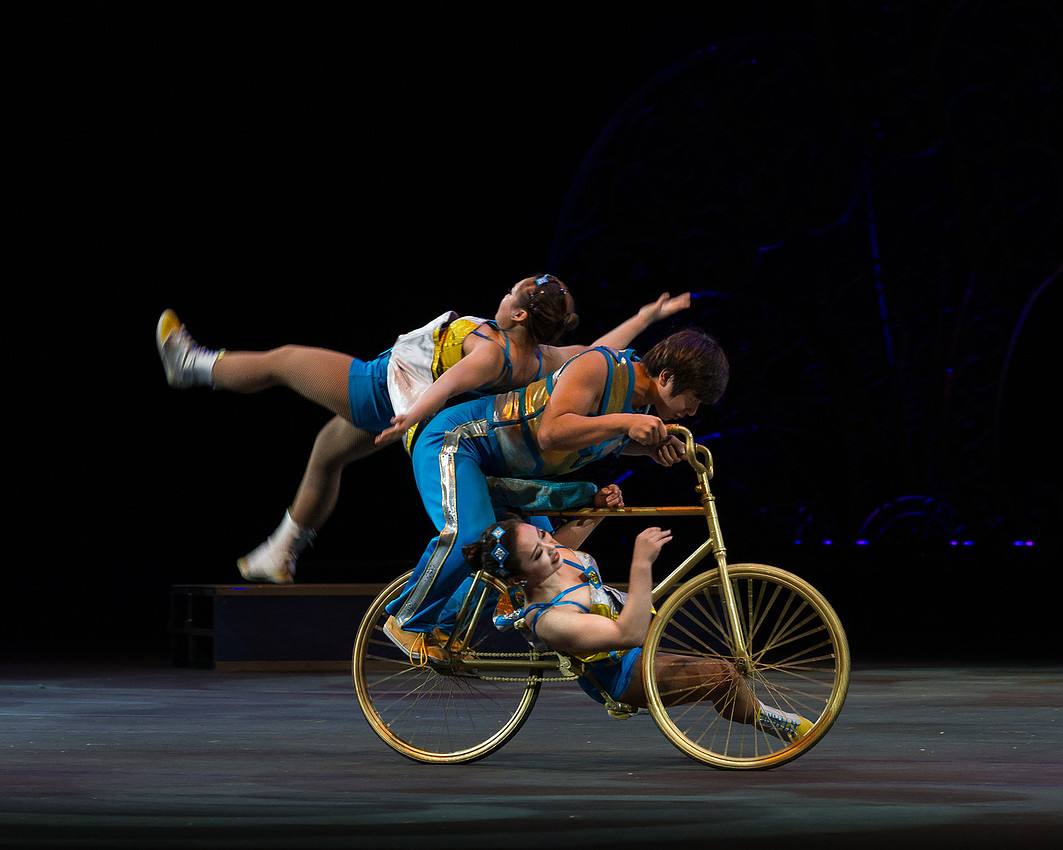
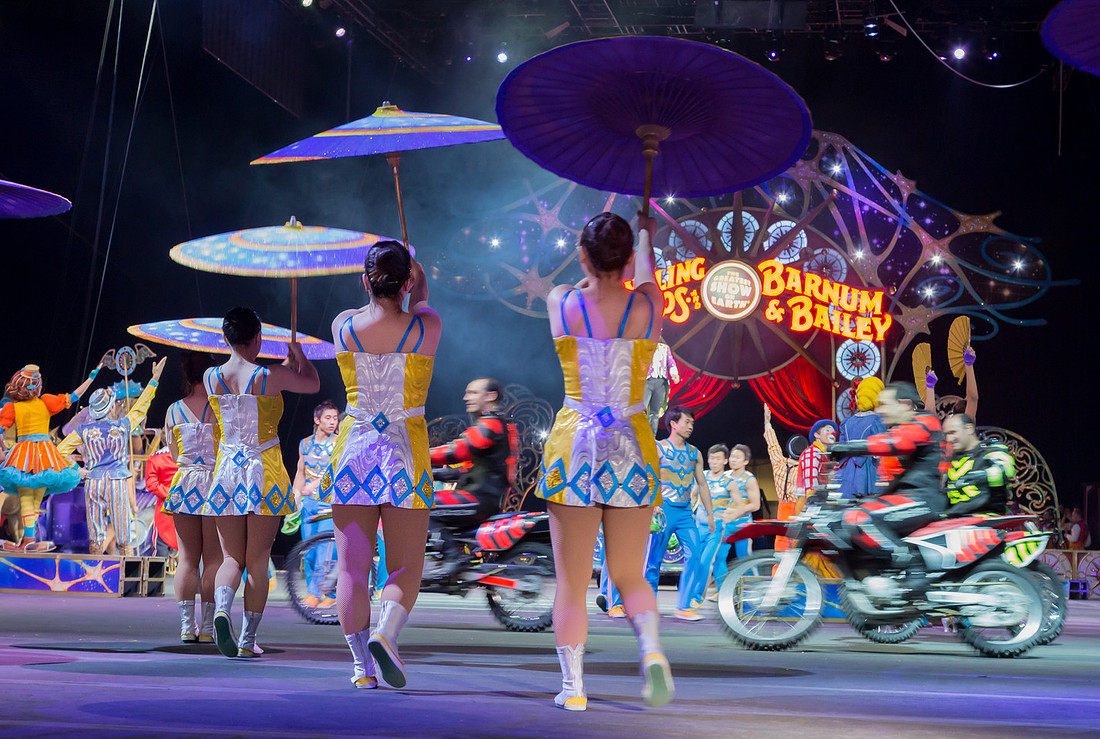
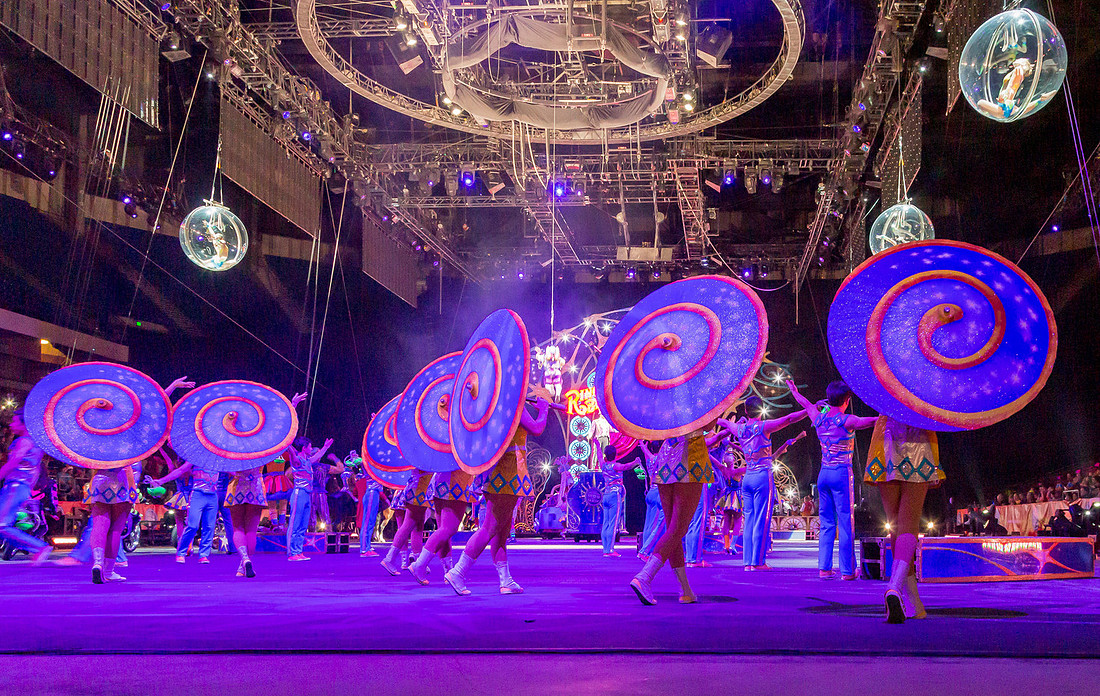
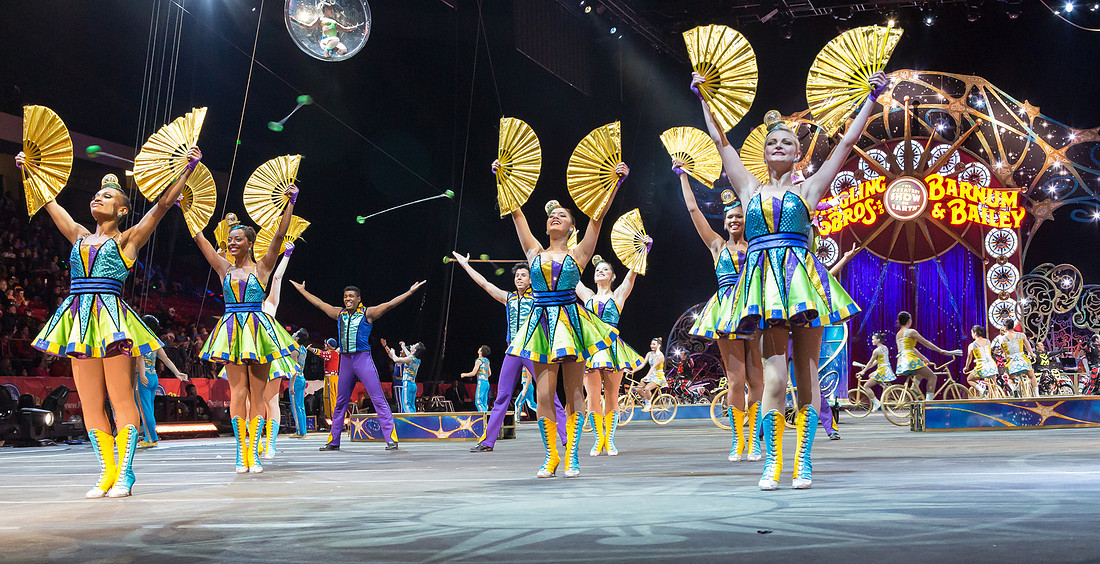
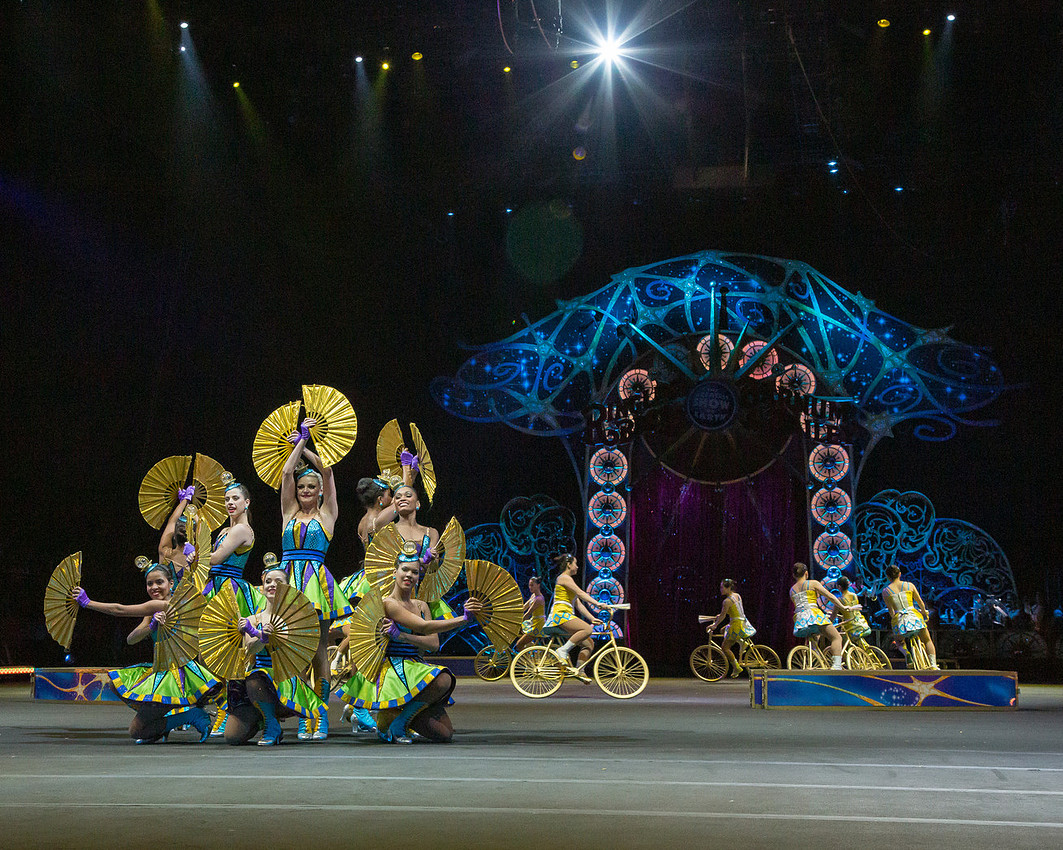
It was the circus as I remembered it, but with added elements of vaudeville, Las Vegas shows and its' own particular mixture of color that dazzled the eyes.
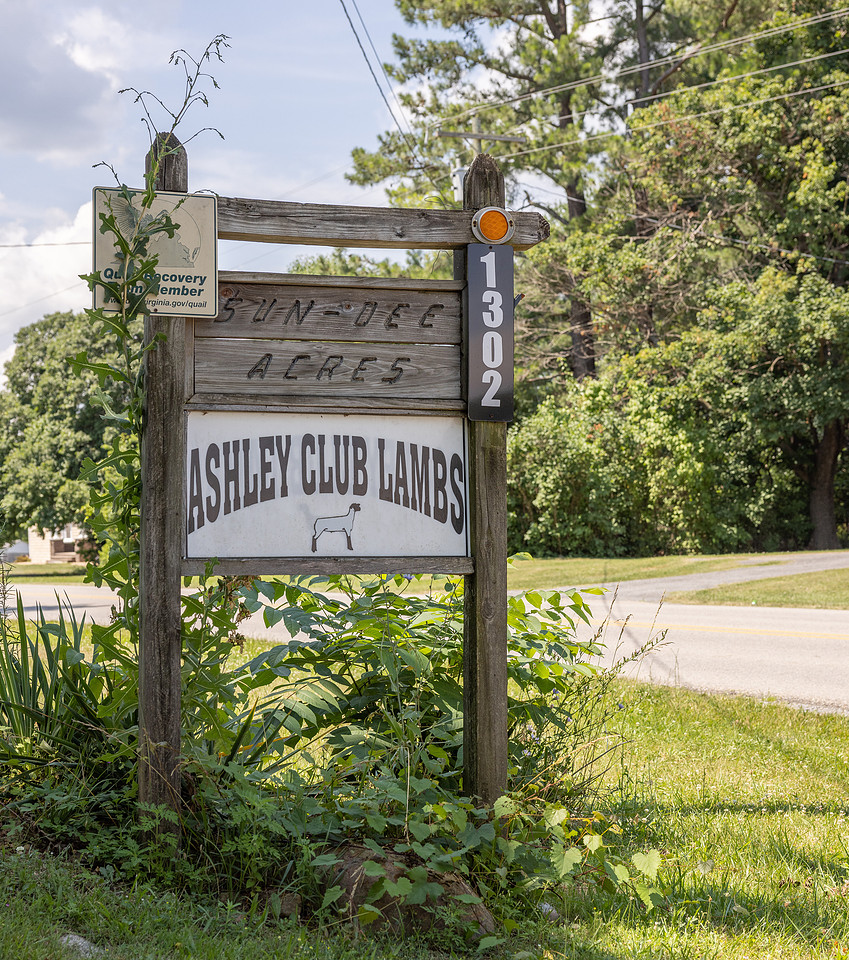
Ashley Club Lambs, one such farm in Augusta County, Virginia, is an example of how these businesses begin and grow.
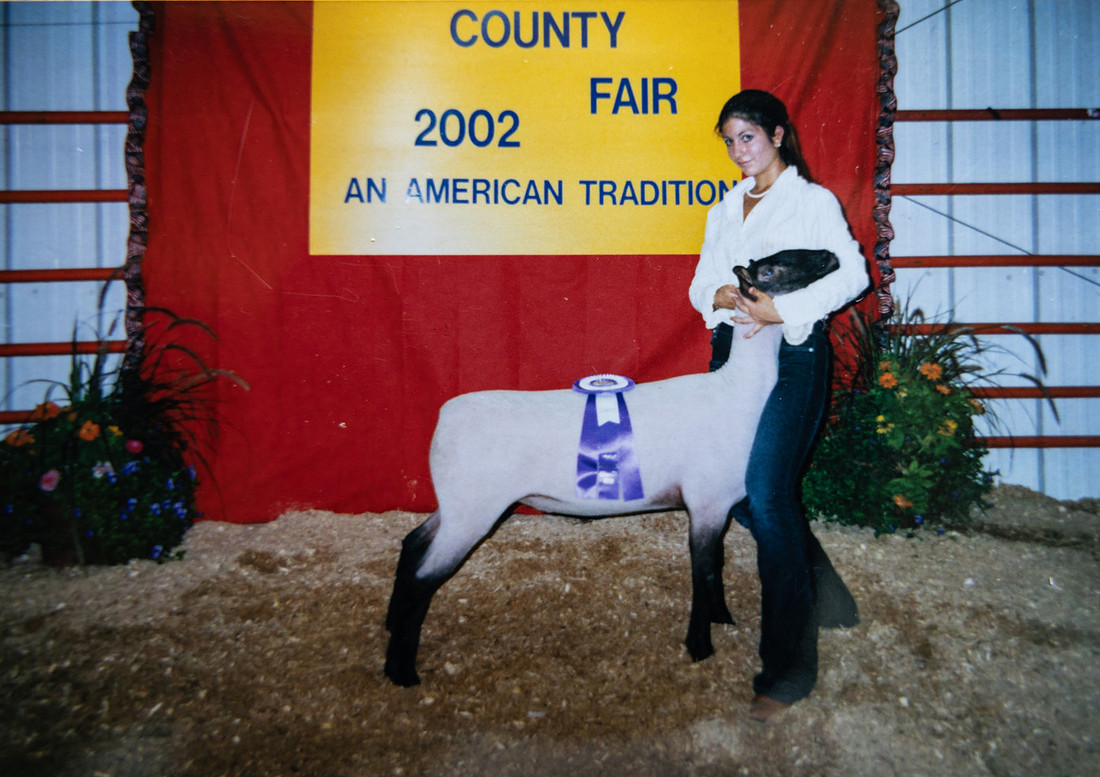
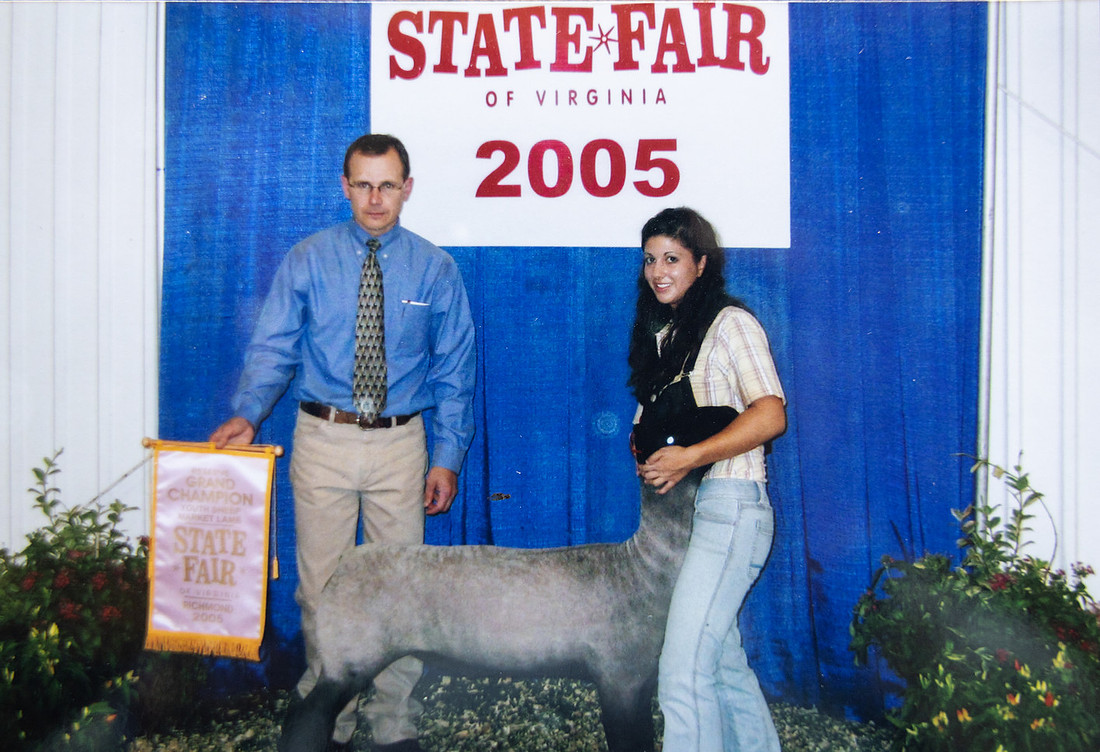
First, some background on the farm itself. Ashley’s Dad, Sonny Balsley, received the farm as a graduation present from his own father, Ashley’s grandfather. He had pressured Sonny to get a college degree and the farm was the graduation gift. At first the farm was dedicated to cattle and boarding horses. The horses were the particular interest of Sonny’s wife Delores. The lambs came gradually with some sheep the family had used for a live church nativity scene. As Ashley’s interest grew, showing lambs began with local shows when she was nine years old and progressed to the state level. For seven years in a row at the Virginia State Fair, Ashley’s lambs were either the Grand Champion or the Reserve Champion. That was 1999 to 2006.
 Fast forward to 2022 and a lot has changed. Ashley’s interest has gone from showing animals to raising them for sale to other farms and individuals. The farm now produces over 70 lambs per year. Production is through two birthing cycles, one in the fall and another in late winter.
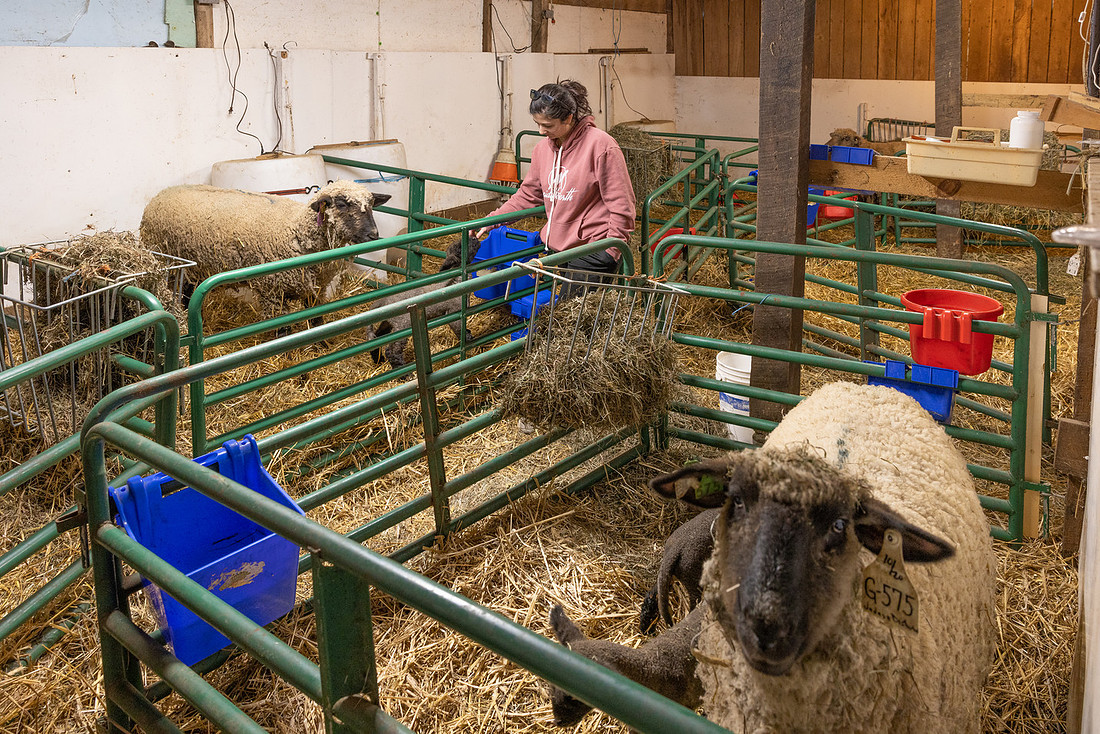 Ashley with some of the late winter lambs.
Most of the flock are Hampshire crosses as Hampshire blood often produces more muscle and hair on the legs, so they tend to be what show judges are looking for. The farm has gone from local on-site sales to much more frequent contact with buyers over the internet. The website, www.ashleyclublambs.com, has brought her buyers from as far away as Maine, Indiana and Oklahoma.
Aside from a couple of males kept on the farm, all the breeding is done through artificial insemination using sperm from other breeders. The sperm is shipped in set amounts called “jumps”. A jump will inseminate thirty ewes, but mostly Ashley purchases a half jump, enough for fifteen ewes. Current prices for half a jump run around $4,500 so care is taken before purchasing to research the backgrounds of the bucks, so Ashley has some idea of their potential genetic strengths and weaknesses. Most mature males that are kept on property have been neutered so they are incapable of breeding, but they are allowed to pasture with and interact with the ewes. This increases the chances of the artificial insemination being successful. Even with that, the success rate for the AI is only around 60% to 70%.
In any given year about seventy percent of that year’s production will be sold. The rest are retained to maintain the flock, but in order to vary the gene pool at the farm, Ashley will look to add animals from other farms to hers. Some recent purchases are from a breeder in Iowa.
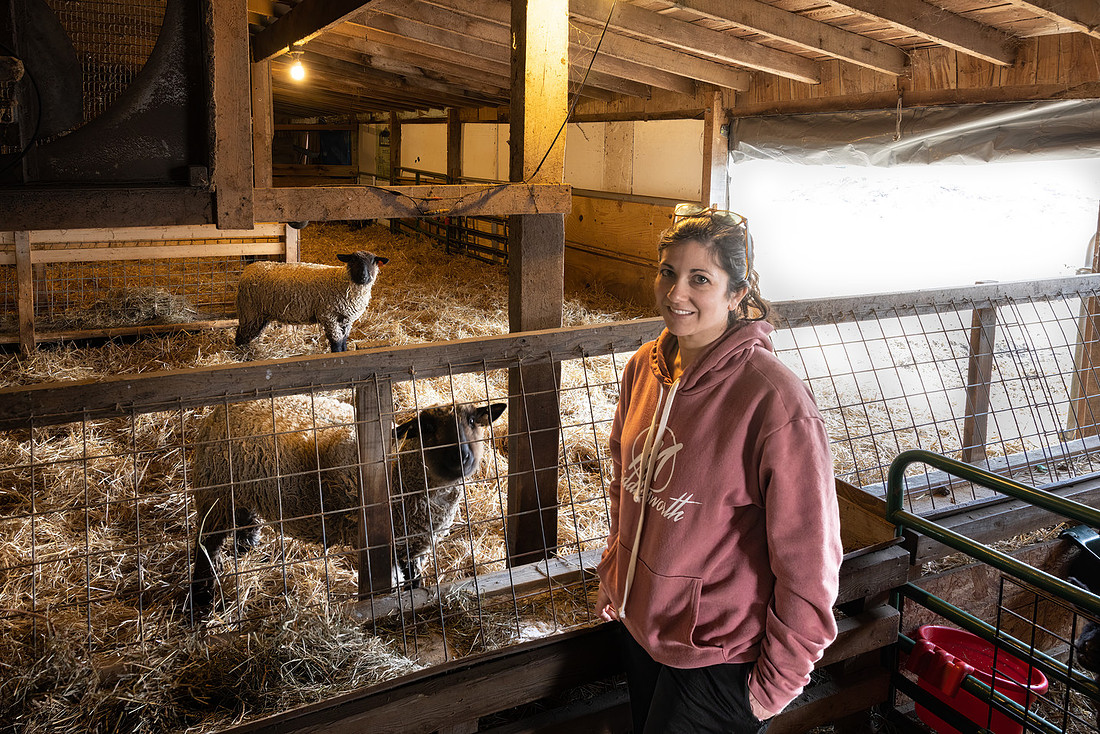 Ashley with the pregnant ewes in the birthing area.
Successful sales efforts for the new lambs begins with advertising on the internet when they are around six weeks old. The optimum time for them to be sold is at two to three months of age.
Ashley Club Lambs has grown from a nine-year old’s interest in showing lambs that receive the highest awards in the state of Virginia through several decades of growing a business. Her goal is to make Ashley Club Lambs one of the top breeding operations in the country.
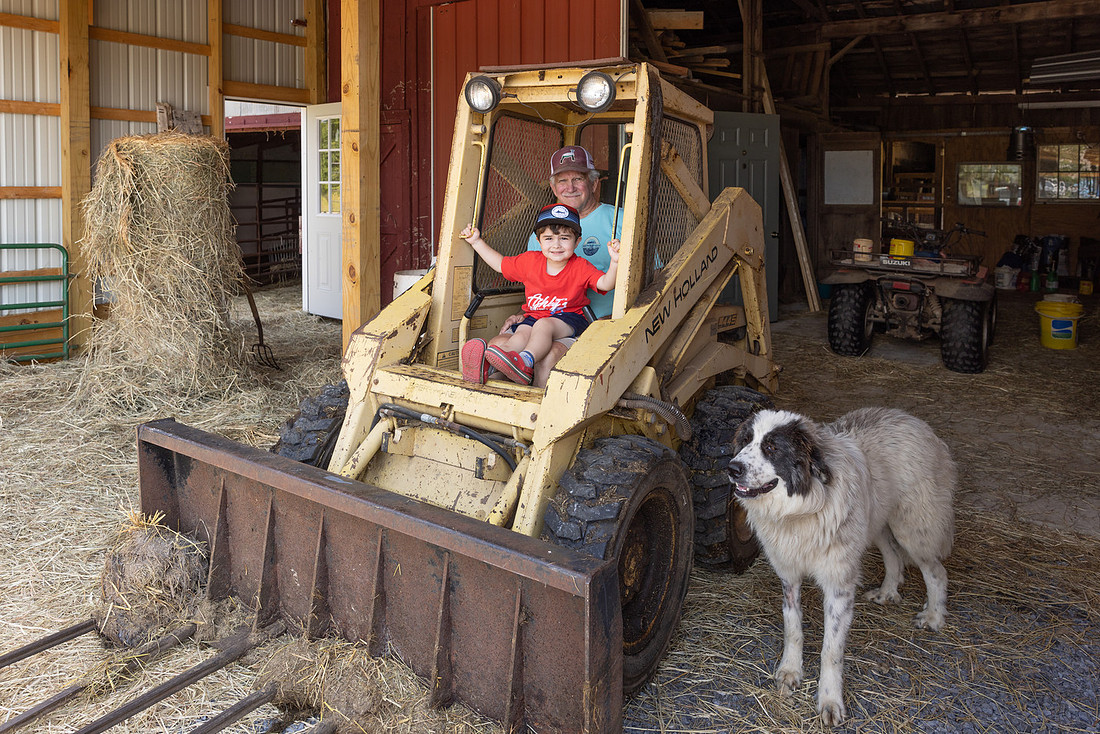 Ashley's father, Sonny Balsley, with her son in the barn area.
Maybe one day, Ashley speculates, her son will develop his own interest and become the next generation at the family farm.
]]>
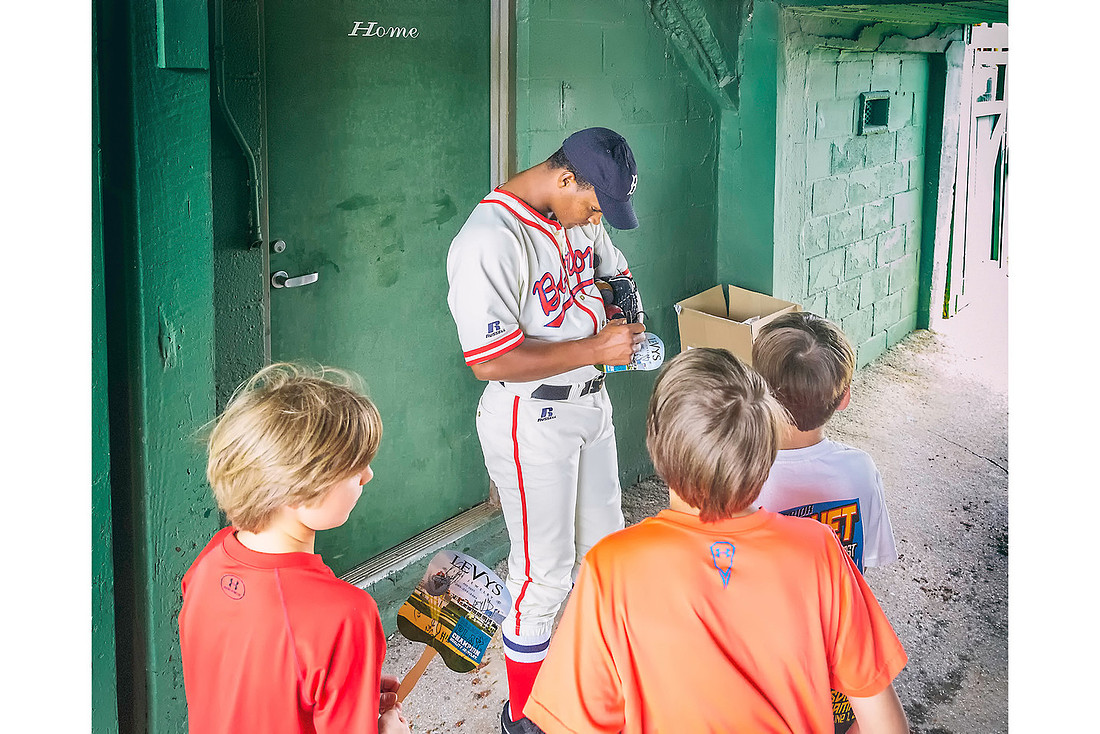 The Barons trace their heritage to Rickwood Field, one of the oldest ballparks in America, where the above photo was taken. At one time they were two teams, one all white and one all black. A special section of the stands was reserved for white fans during games the Black Barons played, and that same section was reserved for black fans, when the white team played. While those days are long gone, the team still returns to Rickwood Field one day each year to play a throw back game.
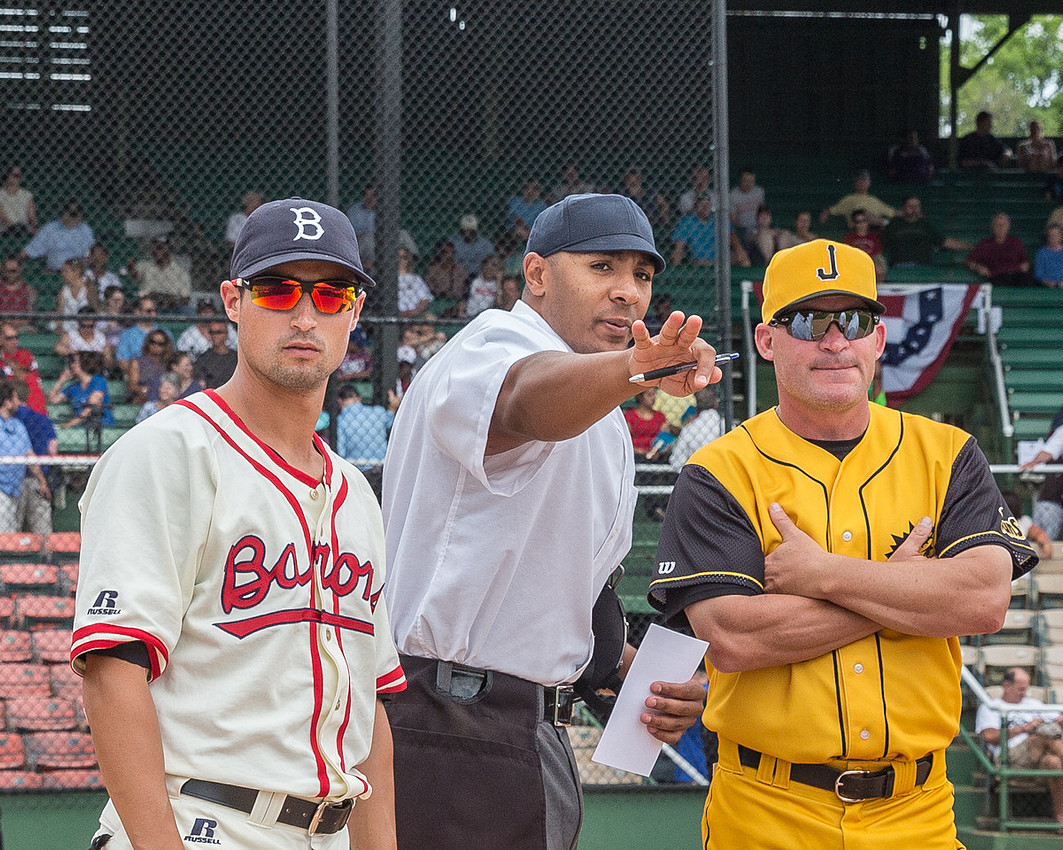 Here in Alabama everything seems to take a backseat to college football, but each spring and summer in Birmingham and across the Southern League managers meet with the home plate umpire for the first time and the season begins.
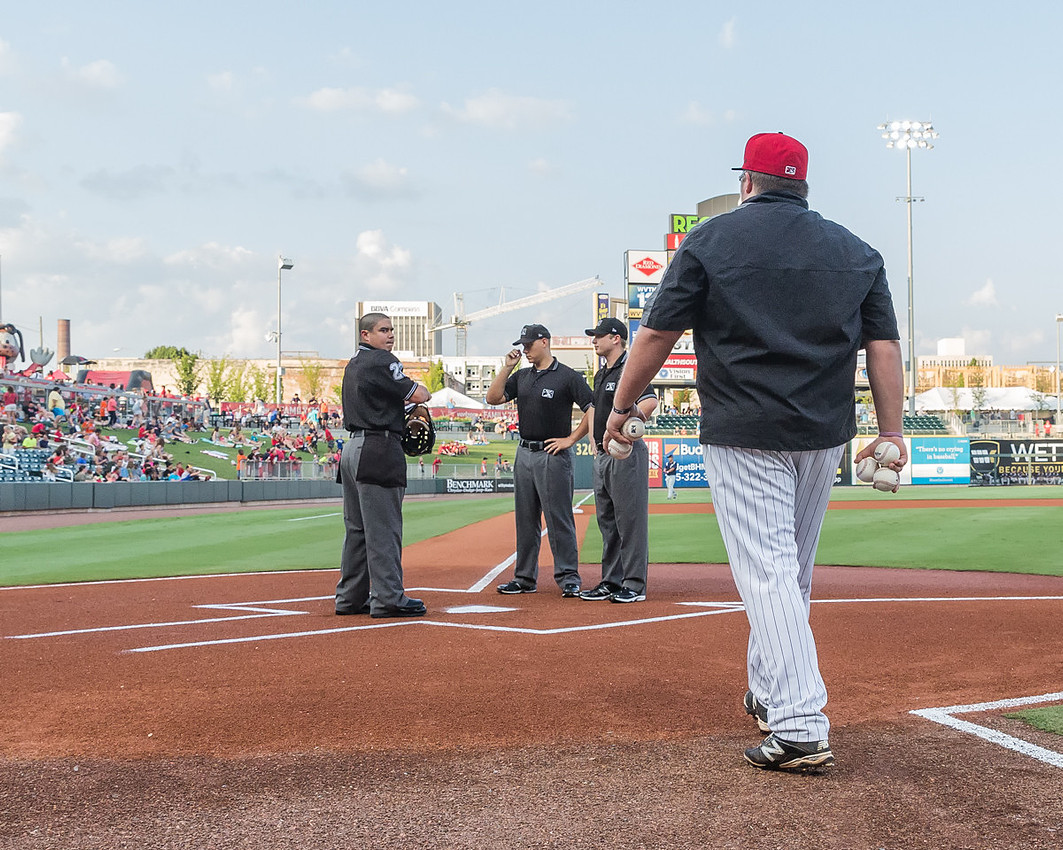 Baseball is a ritual filled game. Travel from stadium to stadium, attend game after game and you will see some of the same series of activities before the start of the game. Above, the batboy delivers the first game balls to the home plate umpire.
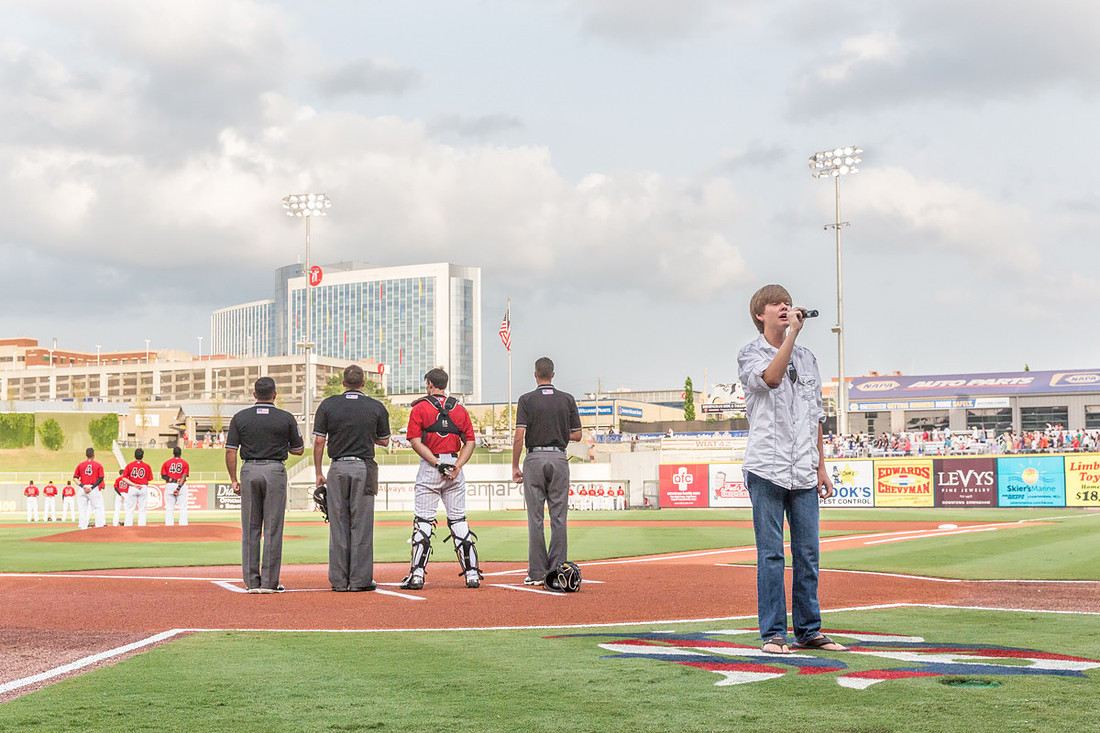 The Barons publicize tryouts before the season for the honor of singing the National Anthem. In 2015 it resulted in a wide range of singers from this middle school student, to beauty queens and even the chorus from Opera Birmingham.
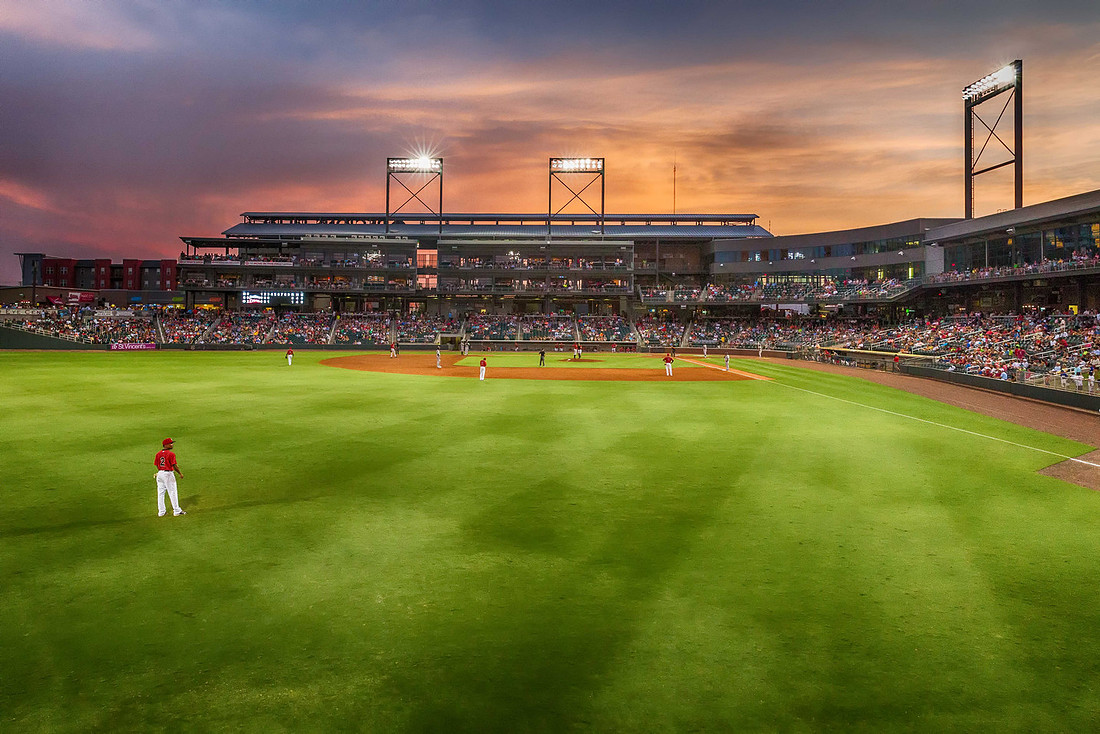 The Barons' home is Regions Field in downtown Birmingham. Year after year this ballpark attracts record crowds and witnesses beautiful sunsets. It was built by the city and carried a price tag of 65 million dollars. It is considered one of the best designed minor league stadiums in the country.
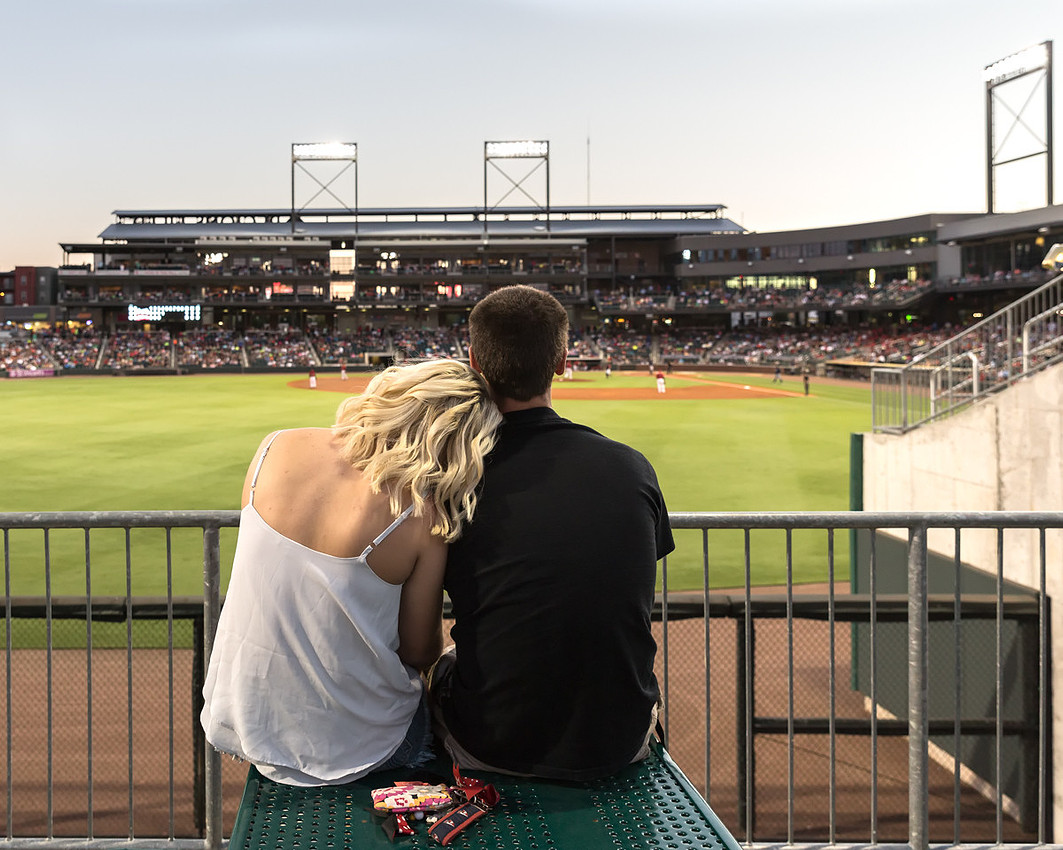 On any given game day, you find dating couples...
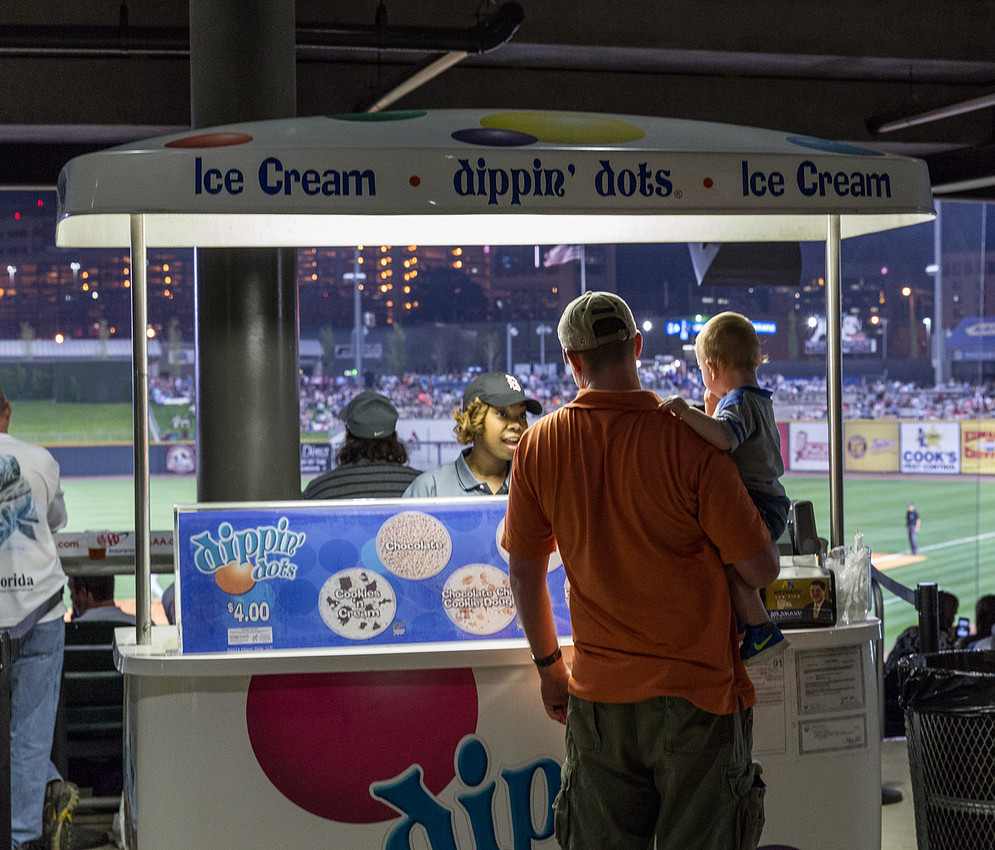 ... and young families attracted to the game and the side benefits at the stadium.
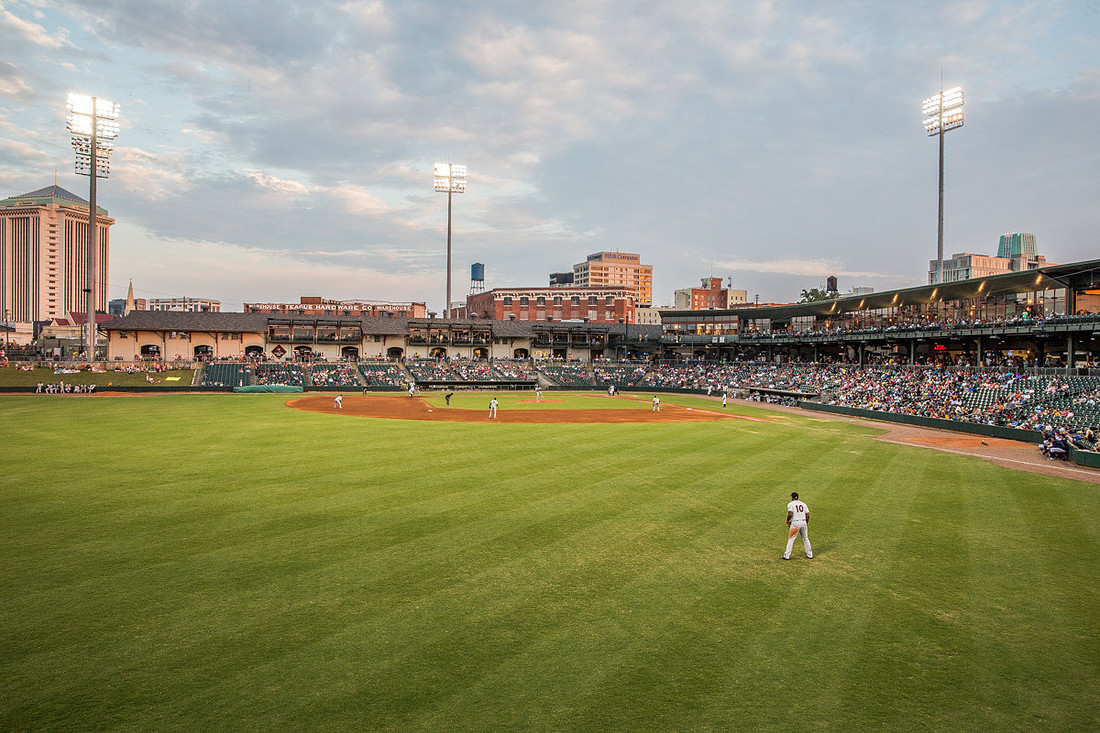 Riverwalk Stadium in Montgomery, Alabama: The team travels by bus from series to series and city to city. Thanks to former basketball star, Michael Jordan, who tried his hand at baseball after retirement and played one season with the Barons, they enjoy a better than average bus. Michael bought a new luxurious coach for the team during his year as a Baron. I never got to ride on the team bus, but did follow the team in 2015 to Chattanooga, Montgomery, Huntsville and Jackson, TN.
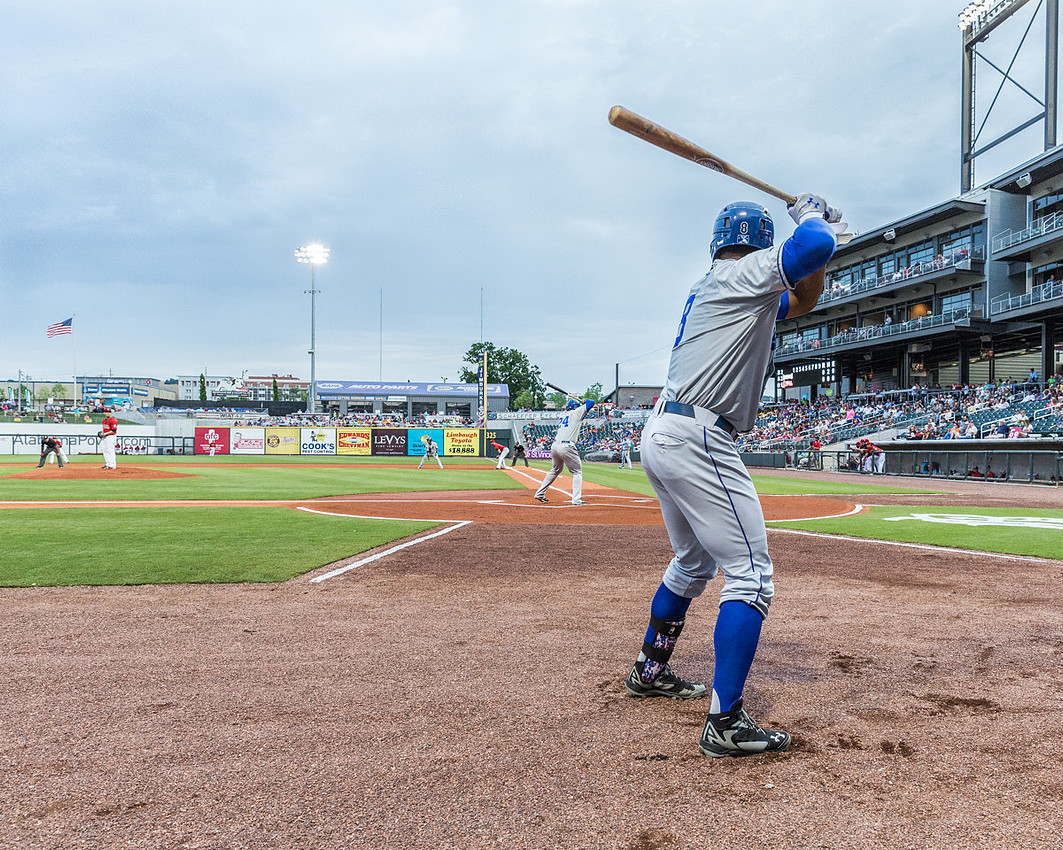 One of my photographic goals was to capture the larger feel for the game, how the pieces of the baseball puzzle fall into place. In the photo above the visitors threaten with a man on first, a batter at the plate and one on deck.
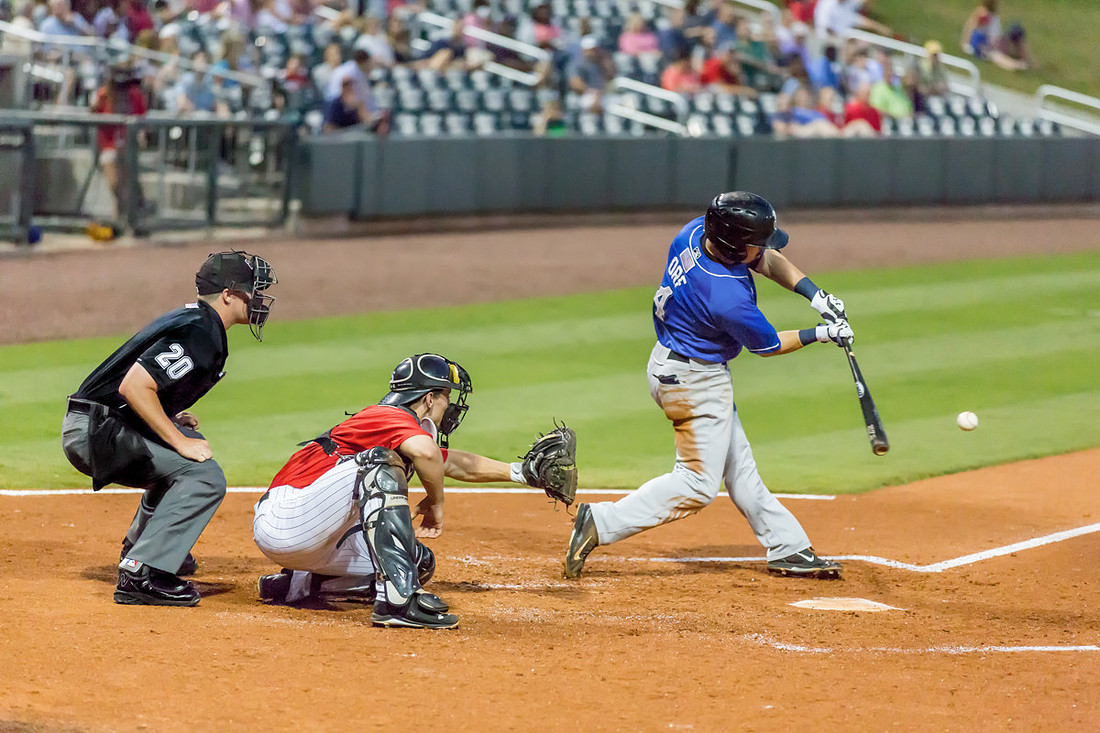 Although this was an unpaid project, it was well worth it in the many compliments I received on the work and all the drama I got to witness. The above photo, which I call "Baseball's Decisive Moment" was selected by the league office in Atlanta as the cover photo for their 2016 Media Guide & Record Book.
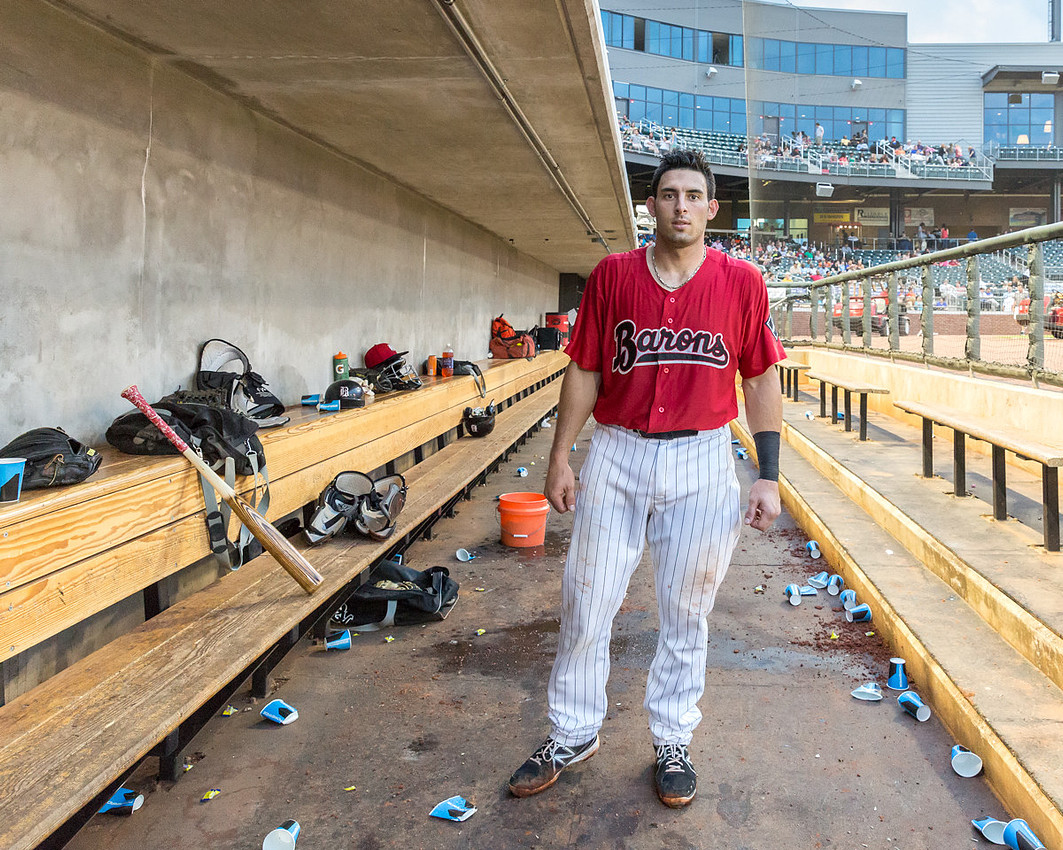 The Catcher After the Game: Through the season what had been a new crop of major league prospects in April saw their chances of making the major league club increase or diminish by the end of summer. In the case of this player he was later traded to another major league teams' farm system.
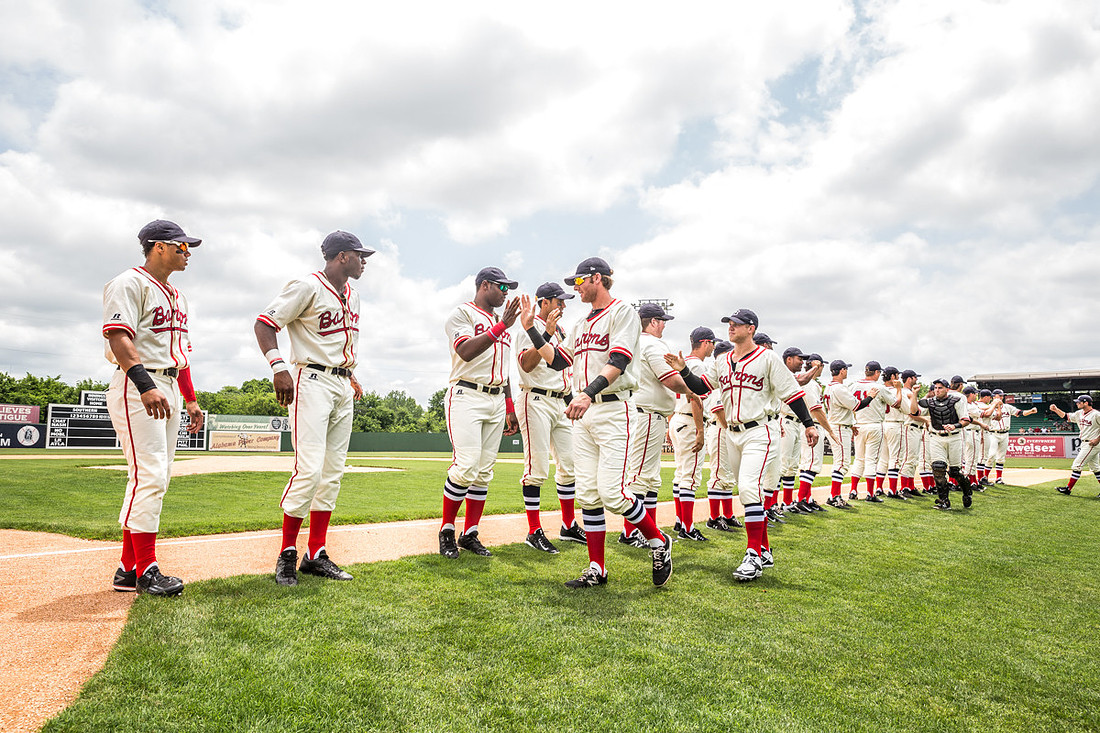 For others who played on the Minor Leagues Field of Dreams, it was a more direct route. Tim Anderson, second from the left in this picture taken at Rickwood Field, made it to the Barons' parent team, The Chicago White Sox. At the beginning of the 2017 season with Chicago, Anderson signed a five year two and a half million dollar contract. But for luck or talent, all our dreams should come so true.
Peace, Cliff Brane
]]>